How CAR T Cell Therapy Could Fix Autoimmune Disease
New research shows CAR T cell therapy may reset the immune system to treat autoimmune conditions like lupus and MS.
Imagine your body turning against you. It's a scary thought. For millions, it's a daily reality. Autoimmune diseases trap people in a cycle of pain and fear. Standard drugs often fail to stop the damage.
Now, a new approach is changing the game. Scientists are using cancer tech to fix the immune system. It's called CAR T cell therapy. It might just be the medical reset button we need.
This isn't just theory anymore. Patients are already getting these treatments in trials. The early results look wild. It could change how we handle chronic illness forever.
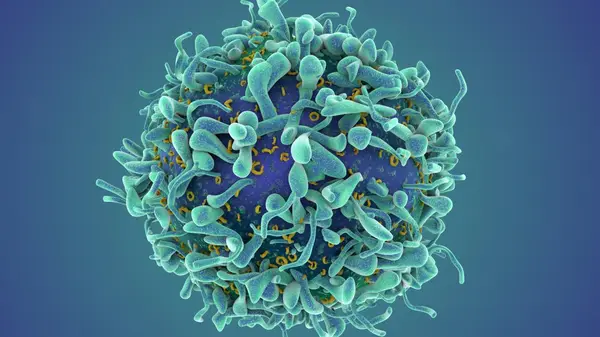
From fighting tumors to fixing the body
Cancer doctors built this tech years ago. They wanted a way to hunt down tumors. They found a way to train T cells. These cells are the police of your immune system. Usually, they find and kill viruses. But cancer can hide from them.
The fix is clever. Scientists take T cells out of a patient. They add new DNA to them. This DNA gives the cells a map. It tells them exactly what to kill. Then, they put them back in the blood. The cells go to work immediately.
We saw the first big win in 2017. The FDA approved it for a tough type of leukemia. It saved lives that seemed lost. Now, researchers want to use this same logic for other issues. They see a new path forward.
It's all about targeting the right cells. In some diseases, B cells act out. They create bad antibodies. These antibodies attack healthy tissue. If we can clear those B cells, we might reset the immune system.
One patient's fight for a normal life
Jan Janisch-Hanzlik knows the cost of sickness. She had multiple sclerosis for years. It stole her job. It made her walk with fear. She couldn't play with her grandkids. She was losing her grip on life.
She heard about a trial in Omaha. She didn't wait around. She called the clinic every two months. She wanted a spot. She needed a chance to get better. She became the first person in her group to try it.
The treatment is intense. It involves days of monitoring. The risk of inflammation is real. She knew the dangers. But she also thought of her grandkids. She wanted to stop the disease before it hit them.
Others are doing the same. Trials are popping up everywhere. They cover lupus and Graves' disease. Even rare things like stiff person syndrome are on the list. Doctors are excited. They call it a total game changer.
We see real movement in these trials. Patients report better walking speeds. Many drop their canes or walkers. It's not just a small bump in health. It's a return to living.
But we have to be careful. It's still early days. We don't know the long-term effects. We need more data to be sure. Still, the potential is massive.
The mechanics of a medical reset
How does it work under the hood? It starts with a blood draw. They pull out your T cells. Then, the lab team adds a chimeric antigen receptor. This is the "CAR" in the name. It sits on the cell surface.
Think of it as a lock and key. The receptor locks onto a specific protein. These proteins live on the surface of B cells. Once they lock on, the T cell activates. It wipes out the B cell target.
This process is precise. It doesn't just blast the whole system. It targets the bad actors. By clearing the bad B cells, the body gets a fresh start. It can rebuild a healthy immune response.
This is a big step from older drugs. Most pills just suppress the whole system. That leaves you open to infections. This new way is much more surgical. It clears the trash and leaves the rest alone.
What this means for the future
The scale of this shift is huge. We are moving from managing symptoms to fixing the root cause. If this holds up, we could cure diseases we once thought were permanent. That is a massive leap.
We still have hurdles to clear. The cost is high. The process is complex. Not every hospital can do this yet. We need to scale the tech. We need to make it accessible to everyone.
I think the next few years will be intense. We will see more data. We will see if the results last. If they do, the medical books will need a rewrite. It's a new era for science.
Quick questions answered
- Is this just for cancer? No. It started with cancer, but now it treats autoimmune diseases too.
- How long does it take? The lab part takes weeks. The infusion is quick. Recovery takes time.
- Is it safe? It has risks like inflammation. Doctors watch patients very closely during the trial.
- Can anyone get it? Not yet. It is mostly in clinical trials. You need to qualify for a study.
- Does it work for everyone? It is too early to say. Results vary by patient and by disease type.
My honest take on this
I am genuinely hyped about this tech. It's rare to see a treatment that tries to fix the root cause. Most of modern medicine feels like putting a bandage on a broken leg. This is different.
The thing that gets me is the bravery of these patients. They are going into the unknown. They aren't just waiting for a pill. They are pushing the boundaries of what we can do.
I think we are witnessing a turning point. We spent decades just suppressing immune systems. Now, we are learning to program them. That is a huge jump in human capability.
I expect to see this become standard in ten years. The tech will get cheaper. The labs will get faster. It won't be a miracle, but it will be a tool that changes everything.