Double Fine Unionization: Why Microsoft Game Studios Workers Are Organizing
Double Fine Productions employees have filed to unionize with the CWA. We break down what this move means for the studio and the gaming industry.
The gaming industry is changing right in front of our eyes. Workers who make the games we love are now standing up for their rights. Double Fine Productions, the creative team behind weird and wonderful titles, is the newest group to join this shift.
This is not just about one studio or one company. It is part of a massive movement across the whole software world. People want better pay, more stability, and a voice in how their workplace functions every single day.
I look at these headlines and see a clear trend. The people who build these digital worlds are tired of the old ways. They want a seat at the table, and they are using collective action to get it. This is how the future of game dev looks.
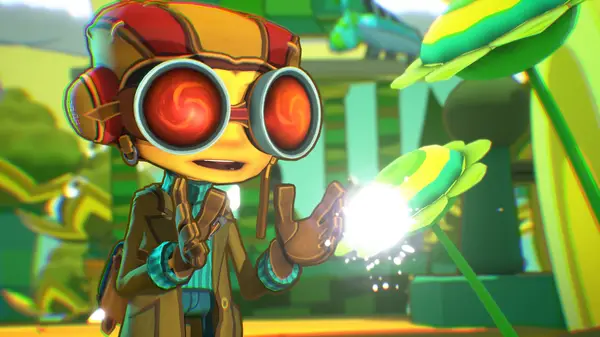
The history of double fine and its creative legacy
Double Fine is a legendary name in the industry. Founded by Tim Schafer after his time at LucasArts, the studio built a reputation for unique style. They gave us Psychonauts, Brütal Legend, and Grim Fandango. These games are known for charm, humor, and a refusal to play it safe.
In 2019, the studio joined the Xbox Game Studios family. This acquisition brought them into the massive orbit of Microsoft. It gave financial safety for the team. It allowed them to finish big projects like Psychonauts 2 without the constant fear of budget cuts. Yet, even under a giant umbrella, workers face the same pressures as anyone else in the tech sector.
The studio has always felt like a tight-knit family. They focus on quirky art and deep stories. Even with the backing of a trillion-dollar company, the day-to-day work remains intense. The team wants to keep that creative spark alive while ensuring their jobs stay safe and fair for years to come.
The move toward collective bargaining
On May 7, the workers at Double Fine filed a petition with the National Labor Relations Board. This is a big step. It signals that all 42 regular part-time and full-time staff members want to form a union. They are working with the Communications Workers of America, or CWA, to make this happen.
The CWA has been very busy lately. They are the same group that helped organize workers at Activision and ZeniMax. They are not just a random group. They are the biggest media labor union in the United States. They know how to handle these negotiations and have a roadmap for success.
Why now? The statement from the workers mentions preserving their focus on diversity and creative excellence. They want to ensure that as Microsoft grows, the specific culture at Double Fine does not get lost. They want to keep the quality of life high so they can keep making great games.
Microsoft has taken a neutral stance on this. This is a very big deal. Many tech giants fight these efforts at every turn. By staying neutral, Microsoft avoids the messy fights we see at other companies. It shows that the industry might be maturing in how it handles its human resources.
Negotiations will not be fast. We know this because of recent history. Look at Blizzard or Raven Software. Those teams spent years talking to management before they signed a contract. It takes patience to get real, binding protections in writing. The Double Fine team knows they are in for a long road.
The goal is a contract. This would cover things like pay, layoff protections, and benefits. It creates a set of rules that management cannot change on a whim. It turns a job into a career that someone can rely on for a long time.
Technical realities of the labor shift
The filing covers 42 employees. This is the core staff that keeps the studio running. This includes developers, artists, and production staff. The petition asks for voluntary recognition from Microsoft. If Microsoft agrees, they can skip some of the longer legal steps and start talking about the contract sooner.
This is part of the Game Workers' Bill of Rights push. This movement is gaining steam at events like GDC. Developers are tired of "crunch" culture. They want to work hard without burning out. They want to make games that are good for the players and good for the people who make them.
The unionization process involves specific legal hurdles. The NLRB must verify the petition. Then, if needed, a vote occurs. The goal is to show a majority of workers are on the same page. Once recognized, the union acts as the legal voice for the staff during any future disputes or contract talks.
What this means for the future of games
If this succeeds, it changes the power dynamic. It shifts influence away from top-down executive decisions and toward a balanced talk between leaders and workers. This might lead to more sustainable game development cycles. When workers are happy and secure, they make better products.
We might see more studios under the Xbox banner follow suit. If Double Fine gets a good contract, it becomes a blueprint. Other teams will look at that and ask for the same. It could lead to a standard of pay and safety across the entire Microsoft gaming division.
The industry is watching. Investors are watching. Players are watching. A stable, happy workforce is good for the long-term health of the hobby. We want games that are made by people who love their jobs and feel treated with respect.
Frequently asked questions
- What does it mean for Double Fine to unionize? It means the staff will have a collective voice to negotiate their pay, hours, and workplace safety with Microsoft.
- Is Microsoft fighting the union? No, Microsoft has pledged to remain neutral and not interfere with the organizing efforts of the Double Fine employees.
- What is the role of the CWA? The Communications Workers of America provides the legal help, strategy, and resources needed to form and maintain a union.
- Will this delay future games? It is unlikely. Unions are designed to keep the workplace stable, which often helps studios avoid the burnout that causes delays.
- How long will it take to get a contract? It can take years. Historical examples like the Blizzard QA team show that reaching a final agreement is a slow, methodical process.
Expert take: my perspective
The thing that gets me is how inevitable this feels. For years, we heard stories about game devs working themselves to the bone for a dream. I think it is great that they are now saying, "The dream is not worth my health."
I have followed Double Fine since the early days. They have always been a studio that pushes boundaries. It makes total sense that they are also pushing boundaries for labor rights. They are innovators in design, so why not be innovators in how a studio is run?
Some people worry that unions will make games "less creative." I think that is nonsense. A tired, stressed, and underpaid developer is not a creative one. When you take the stress of survival off the table, you free people to be more artistic.
I hope Microsoft keeps its word on being neutral. If they do, they set a standard for the whole industry. The era of the "rockstar" developer who never sleeps is over. It is time for the era of the professional developer who gets a fair deal for their talent.