Ebola Outbreak Response: What You Need To Know
A major Ebola outbreak in the DRC and Uganda has sparked a global health emergency. Here is the latest on the virus, travel, and containment efforts.
It's hard to ignore the news coming out of the Democratic Republic of the Congo. A new Ebola outbreak has hit the region fast. It already feels like a massive crisis. You probably want to know what this means for the rest of us.
The numbers look bad. We are seeing hundreds of suspected cases across multiple zones. This isn't just a small local issue anymore. It's moving into neighboring countries like Uganda. The situation is evolving by the hour.
I've been tracking the reports from the World Health Organization all day. They've labeled this a public health emergency. That's a big deal. It tells us they are worried about the speed of this spread. Let's break down exactly what is happening on the ground.
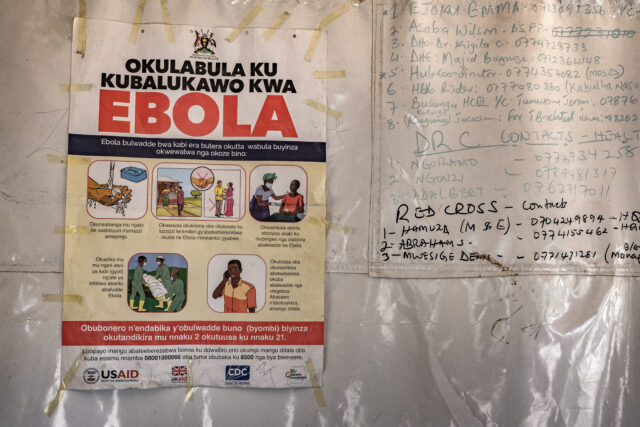
How this virus hits so hard
You might recall past scares with this virus. This time, it's the Bundibugyo strain. It's rare and very dangerous. Most people know the Zaire strain, which has vaccines. This one doesn't have those same tools ready.
The virus hides in animals like bats and primates. It jumps to humans when we interact with them. Once it hits a person, it spreads through fluids. It causes severe bleeding and fever. The symptoms are brutal and show up in under three weeks.
It's a tough virus to track. People can move around while feeling fine. By the time they show symptoms, they may have already met many others. This is why the WHO is so concerned about the urban areas involved. Density makes containment very difficult.
The current state of the crisis
As of right now, the counts are climbing. We have 10 confirmed cases and many more suspected. Nearly 90 people have already died. These numbers put this event in the top ten largest outbreaks ever recorded.
The CDC has stepped in with strict travel rules. They are screening everyone coming from the affected zones. If you don't have a US passport and traveled there lately, you aren't getting in. It's a harsh move, but they think it's necessary.
Things got personal when an American doctor tested positive. He was working at Nyankunde Hospital in the DRC. His name is Dr. Peter Stafford. He's now being moved to Germany for urgent care.
His family is with him, too. His wife and four kids are being transported along with another doctor. It's a tense situation for everyone involved. They are doing their best to keep the doctors safe and isolated.
You might wonder if this will reach the US. The CDC says the risk is currently low. They are watching the borders closely. Their focus is on stopping the spread at the source in Africa.
Understanding the technical risks
The Bundibugyo strain has a high kill rate. Some data points to a 25 to 50 percent fatality rate. That is extremely high for any disease. Without a vaccine, doctors have to rely on basic supportive care.
This means keeping patients hydrated and stable. It's manual, slow work. It puts a massive strain on local clinics. Many of these facilities don't have the gear they need.
Insecurity in the region makes it worse. People are moving to escape the chaos. This makes it even harder to track who has been exposed. It's a perfect storm of bad factors for health workers.
What happens next for the region
We are going to see a massive push for resources. The WHO needs money and staff to handle this. They have to set up more treatment centers. They also need to educate the local population on how to avoid infection.
The travel restrictions will stay for a while. You should expect longer wait times at airports if you are flying from the region. The CDC is not taking any chances. They want to avoid a repeat of the 2014 disaster.
It's not a pandemic, but it's still a major threat. The world has to stay alert. We need to support those working on the front lines. They are the ones stopping this from growing even larger.
Quick questions answered
- Is there a vaccine for this strain? No. The Bundibugyo strain does not have a validated vaccine like the Zaire strain does.
- Can I catch this from the air? No. It spreads through direct contact with bodily fluids, not through the air like a cold or flu.
- Why did the US restrict travel? They want to monitor potential cases and stop the virus from entering the country through travelers.
- Are the doctors in Germany safe? They are being moved to specialized facilities that can handle high-risk infectious diseases safely.
- What should I do if I traveled there? If you have been to the DRC or Uganda, contact your local health office immediately for guidance.
My honest take on this
Honestly, the thing that gets me is how fast this moved. We always think we are prepared for these things, but a virus like this finds the cracks. The lack of a vaccine for the Bundibugyo strain is a massive failure in our global health prep.
I think the CDC is doing the right thing by being aggressive. You can't be too careful when you're dealing with hemorrhagic fever. It's better to overreact now than to try to catch up when it's already everywhere.
I feel for the Stafford family. They were there doing good work, and now they are in the middle of a nightmare. It shows how dangerous this job really is. They aren't just doctors; they are volunteers in a very hostile place.
I hope the global response is fast. We have the money and the tech to stop this, but we need the will to move it to the right place. We can't just talk about it. We have to act before the numbers get even higher.