Fallout RPG history: How GURPS almost defined the wasteland
Tim Cain reveals the lost GURPS Fallout design docs, showing a wild world of cow haters and UFO believers that almost made it into the original game.
You probably think you know the Fallout stats system. We all know SPECIAL like the back of our hands. It defines every single choice we make in the wastes. But it wasn't always this way. It almost looked very different.
For years, people assumed the original GURPS design docs were gone. They were basically ghosts. Now, Tim Cain has pulled them out of his own stash. It's wild to see what might have been. You could have been a snoring cow hater in the original build.
I find this stuff fascinating. It changes how we view the birth of a classic. Let's look at the stats that never were. It's a trip back to 1994.
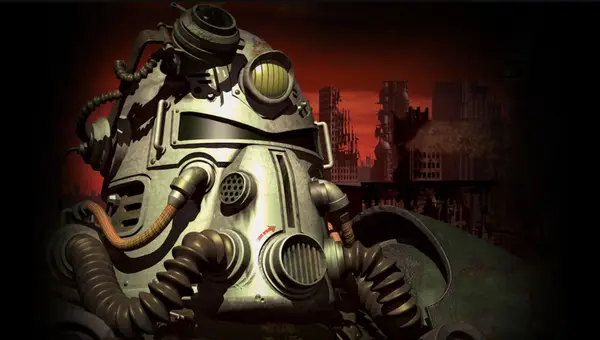
The lost rules of the early wasteland
The Fallout team spent years working on a GURPS license. GURPS stands for Generic Universal Roleplaying System. It sounds a bit like a medical condition, right? But it was a massive deal back then. Many tabletop fans loved the crunch it gave.
The team used these rules from 1994 until 1997. They built the game around these complex tables. Then, things went sideways. Steve Jackson, the guy who owned the system, saw the game. He didn't like the violence. He pulled the license fast.
That forced the team to pivot. They built SPECIAL to fill the void. It saved the project. Without that move, we might not have the Fallout we love today. It's a classic story of design survival.
What could have been in the vault
Tim Cain shared these notes on his channel recently. He thought the files were lost forever. He handed them to an archivist at Relationship long ago. That person failed to keep them safe. It's a miracle they survived at all.
The GURPS version relied on just four stats. You had Strength, Health, IQ, and Dexterity. That's it. It sounds simple on paper. But the system was quite dense.
Instead of perks, you had a huge list of traits. You had advantages and disadvantages. You also had quirks. These added flavor to your character. Some of them were truly bizarre.
Imagine picking a quirk that makes you hate cows. Why would you do that? The game would track these traits in specific spots. It would change how NPCs talked to you. It felt very reactive.
Some traits were just plain funny. You could be a UFO believer. You could have bad breath. You could even be a nose picker. These quirks made your character feel like a real person in a broken world.
The crunch behind the character sheet
The GURPS system was heavy on numbers. You spent points on advantages. You gained points by taking on disadvantages. It was a trade-off system. It forced you to build a flawed hero.
Advantages included things like acute hearing. You could also pick peripheral idea. You could even buy your way to being handsome. There were three levels of beauty you could purchase.
Disadvantages were the opposite. You could have a stutter. You could have anosmia, which means no sense of smell. You could also be hideous. The game even had three levels of ugliness for you.
These traits weren't just for show. They changed your reputation in different towns. You weren't just a generic wanderer. You were a known quantity in the wasteland. It sounds like a deep roleplaying tool.
Why the change mattered for gaming
Moving to SPECIAL was a smart choice. It simplified the game for new players. GURPS sounds like a headache to track in a digital format. SPECIAL gave us a clear, iconic path forward.
We wouldn't have the same Fallout vibe with GURPS. The violence in the game defined the franchise. Steve Jackson was right to worry about the tone. It was brutal and dark.
This shift helped define the series identity. It made Fallout feel unique. It wasn't just another TTRPG clone. It became its own beast. We owe a lot to that license dispute.
Quick questions answered
Was GURPS really going to be the final system?
Yes. The team used it for three years of development. They were fully committed until the licensing issue popped up in 1997.
Why did Steve Jackson pull the license?
He saw the level of violence in the game. He felt it didn't fit the brand he wanted to project. He objected to the tone.
What are the main differences in stats?
GURPS had four base stats. SPECIAL added more depth. It expanded into seven distinct categories to better support the game's needs.
Are these GURPS notes available for fans?
Tim Cain shared the details in his video. You can see the full breakdown there. It's a great look at design history.
Would the game be harder with GURPS?
Probably. The trait system was very complex. Managing disadvantages and quirks on top of basic stats would be a lot to handle.
My honest take on this
I think we dodged a bullet. GURPS is cool for tabletop geeks. But in a PC game? It sounds like a chore. I like SPECIAL because it's punchy.
The idea of hating cows is hilarious. I would have picked that trait every time. It's exactly the kind of weird humor that makes Fallout special. I wish some of those quirks survived.
I feel bad for the Relationship archivist. They lost a piece of history. But I'm glad Tim Cain had his own notes. It shows how messy game dev really is.
Honestly, the best games come from these accidents. If the license stayed, we might have a boring GURPS game. Instead, we got a classic. I'm fine with that trade.