The Mars Telecommunications Network and the Race for the Red Planet
NASA is hunting for a new Mars orbiter, but the $700 million contract has sparked heated debate in Congress and the aerospace industry.
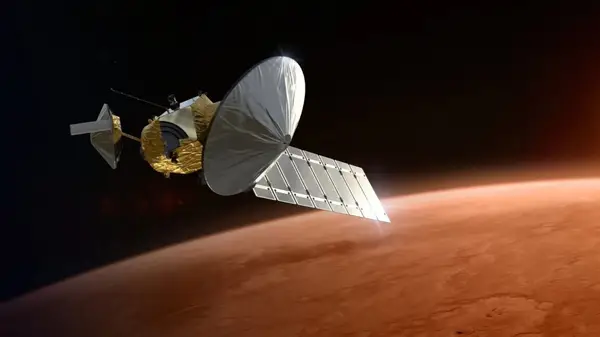
Space missions usually look like science, but they often feel like politics. NASA just dropped a massive request for a new Mars Telecommunications Network spacecraft. It's a $700 million deal to keep our red neighbor connected to Earth.
Everyone wants a piece of the pie. The goal is to replace aging tech that has been orbiting for twenty years. But the fine print is causing a real stir in the industry.
Some say the rules favor one company over the rest. It's a messy situation for a project that needs to move fast. Let's look at why this is turning into a total headache for everyone involved.
Old tech and new money
The Mars Reconnaissance Orbiter has been our workhorse for two decades. It's a legend, but it's tired. NASA needs a fresh system to handle data relay from the surface. Without it, our future plans for the planet are stuck.
Congress stepped in with a massive check. They handed over $700 million in the 2025 budget. It's a huge pile of cash for what sounds like a simple radio relay. Most pros in the sector were shocked by the size of the fund.
The money is specifically for the Mars Telecommunications Network. It has to be built and launched before the next 2028 window. If they miss that, the whole timeline falls apart. It's a race against the clock.
The rules of the game
NASA says this is a fair competition. They claim it's open to everyone. But the requirements look a bit weird to outsiders. You have to prove you previously proposed an orbiter for the Mars Sample Return mission.
Why that specific rule? It effectively shrinks the pool of bidders to a tiny group. Companies like Blue Origin, SpaceX, and Rocket Lab are in the mix. Others are left out in the cold.
Rocket Lab seems very confident. They even put a slide in their investor deck about it. They claim they are the only firm that fits the bill. It's a bold move to claim victory before the bid is even won.
This has led to whispers of favoritism. People are asking if Congress wrote the law for a specific winner. It's a classic D.C. move that leaves a bad taste for smaller players. The atmosphere is tense.
The bid deadline is June 15. NASA expects to pick a winner by October 1. That leaves almost no room for error or protest. If someone loses, they might sue to stop the process.
The agency is currently in a blackout period. They aren't talking to the press. This just adds more fuel to the news swirling around the halls of power.
Testing engines and building ties
Why is Rocket Lab at the center of this? They have a strong connection to Mississippi. They test their Archimedes engine at the Stennis Space Center. It's a big deal for the local economy there.
Senator Roger Wicker is a key player in this story. He's a fan of the work happening in his state. Sources say he sent a letter to NASA about the procurement. Some think the letter nudged the agency toward Rocket Lab.
NASA won't show us the letter. They cite the procurement blackout as their excuse. It's a convenient way to keep things quiet. But the industry knows something is shifting behind closed doors.
The Mars Sample Return mission is the ghost in the room. It was canceled, but this orbiter could bring it back to life. If that happens, the winner of this contract gets a massive advantage for future work.
The future of mars comms
We need this orbiter to work. Our current fleet is dying. If we want to send humans to the surface, we need a robust network. This isn't just about science data anymore.
The schedule is brutal. Launching by 2028 is a tall order. Any delay in the contract award will cause a chain reaction. We might see the project slip into the 2030s.
The tech itself isn't the problem. We know how to build radios and satellites. The problem is the process. It's the human element that makes this hard.
Common questions answered
- What is the MTN? It stands for Mars Telecommunications Network, a relay satellite system for Mars.
- Why does NASA need it? Our old orbiters are failing, and we need better bandwidth for future missions.
- Who can bid? Only companies that previously proposed an orbiter for the Mars Sample Return project.
- Is the project on time? It's already showing signs of delay, but NASA hopes to launch by 2028.
- Is politics involved? Yes, the funding language seems to target specific companies with Mississippi ties.
My honest take
Honestly, I think the whole process feels rushed and forced. When you see language in a law that fits one company so perfectly, you know someone is pulling strings. It's not how a fair market should work.
I feel like the Mars Sample Return connection is just a cover. They want to revive that mission, and they are using this orbiter as a backdoor. It's a clever, if slightly shady, way to bypass the original cancellation.
The thing that gets me is the lack of transparency. NASA is a public agency. They should be open about these letters and requirements. Hiding behind a blackout period just makes me trust the process less.
I hope the best tech wins, not just the best lobbyist. If we want to reach Mars, we need the smartest minds on the job. We don't need another layer of political drama slowing us down. Let's just build the thing and get it to orbit.