Microsoft defends new Windows 11 Low Latency Profile
Microsoft faces backlash over a new Windows 11 feature that boosts CPU speeds to fix UI lag. Here is what you need to know.
Windows 11 feels heavy. You click the Start menu and wait. It shouldn't be this way in 2026. We expect speed from our gear.
Microsoft just leaked a plan to fix the lag. They call it a Low Latency Profile. It forces your CPU to spike when you interact with the UI.
The internet did not take it well. People think it's a cheap trick. Let's look at why this is happening now.
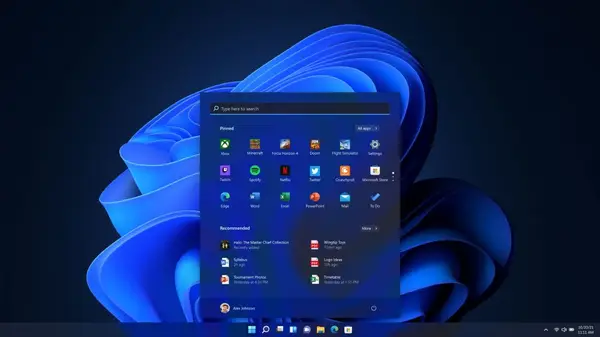
Why does windows 11 feel so sluggish?
Windows has changed a lot over the years. It used to be lean. Now it feels packed with extra code. Users notice the bloat every single day.
The OS manages thousands of tasks at once. Some of these tasks run in the background. They eat up resources you need for your apps. This leads to that familiar stutter when you open a window.
For years, power users have complained about this. They want a lighter system. They want a fast experience without the extra fluff. Microsoft has mostly stayed silent until now.
The company is currently pushing its Windows K2 project. They want to make the OS feel more responsive. It's a massive job to clean up years of messy code. This new profile is just one small part of that goal.
The drama behind the low latency profile
Windows Central broke the news last week. The leak showed a new setting for Windows 11. It aims to boost CPU clocks the moment you click something.
Many users saw this as a band-aid. They think Microsoft is ignoring deep issues. Why fix the core code when you can just push the CPU harder? That is the question on everyone's mind.
Scott Hanselman, a VP at the company, jumped into the fray. He hit back at critics on social media. He said this is how modern tech works.
He compared Windows 11 to Linux and macOS. He noted that other systems already do this. He argued that it isn't cheating. It's just smart power management.
The backlash was swift and loud. Users don't care what Linux does. They care that their expensive hardware feels slow. They want a fix that doesn't just burn more power.
This situation shows a clear divide. Microsoft sees this as an optimization step. Users see it as a lack of effort. Both sides have a point.
How the tech works under the hood
Think about how your phone works. It stays quiet while you aren't touching it. The moment you tap the screen, it wakes up. It pumps power to the chip to render the frame.
The Low Latency Profile does the same thing for your PC. It uses dynamic frequency scaling to keep things snappy. It spikes the clock speed for a split second. Then it drops back down.
This requires very fast clock parking. The CPU must be ready to move instantly. If the system is too slow to wake up, you get a delay. That delay is what we call input lag.
It's a balance of power and speed. If done right, you won't even notice the shift. If done wrong, you might see battery drain on your laptop. That is why the implementation matters so much.
What this means for the future of windows
Microsoft is at a crossroads. The AI hype cycle is fading. They need to show they can still make a good OS. People are tired of excuses.
If they want to win back trust, they need more than just clock spikes. They need to remove the bloat. They need to make the system feel fast by design, not by force.
We might see more of these small tweaks soon. The company is under pressure to deliver. They know that users are looking at other options. The competition is getting stronger every year.
Will this work? Maybe. But a quick fix won't solve the long-term problems. The core of Windows needs a real, deep clean. Until then, users will keep asking for more.
A few answers to common questions
Is this feature going to slow down my PC? No. It is meant to make it feel faster. It only spikes the CPU when you interact with the UI.
Does every OS do this? Yes. Modern systems like macOS and Linux use similar tricks to keep apps feeling responsive.
Will this kill my laptop battery? It might have a small impact. However, the spikes are very short. The impact should be minimal for most users.
Why are people so mad? They feel like Microsoft is ignoring deep performance issues. They want a lighter OS, not more power-hungry tricks.
Is this related to the AI push? Not directly. This is part of the Windows K2 effort to improve general system performance and stability.
My honest take on this
I think the community reaction is justified. Microsoft has spent years bloating Windows. Now they want to fix it by throwing more power at the problem. It feels lazy to me.
I don't mind the tech itself. Using CPU headroom to hide lag is standard practice. But the timing is terrible. They should have fixed the underlying code first.
The thing that gets me is the attitude. Telling users "everyone else does it" is a bad look. It ignores the fact that Windows 11 feels heavier than its predecessors. We expect better from a company with their resources.
I hope this leads to a real change. I want a lean, fast Windows. I don't want a system that needs hacks to hide its own weight. Let's see if they listen this time.