New iRobot Roomba Models Bring Lower Prices and Hot Spot Mopping to Homes
iRobot launches eight new Roomba robot vacuums with increased suction, smaller frames, and innovative hot spot mopping technology starting at £229.
A fresh start for a legacy brand
The path to this release was not easy. Late last year, iRobot filed for bankruptcy. It was a great fall for a company that practically invented the category. The brand went through a total reboot and is now owned by Shenzhen Picea Robotics. This shift in ownership explains the sudden change in hardware philosophy. The new parent company is an expert in original design manufacturing. They know how to build hardware efficiently. This expertise is clearly reflected in the new pricing structure. Some of these models cost up to £200 less than their predecessors. It shows a move toward mass-market appeal rather than high-end exclusivity. This shift does not just affect the price tag. It changes how the robots are built. The new units are up to 25 percent smaller than previous versions. This design choice is not just for looks. It allows the robots to slide under low-profile furniture that used to be off-limits. They can now clear gaps as low as 9cm.The tech behind the new cleaning power
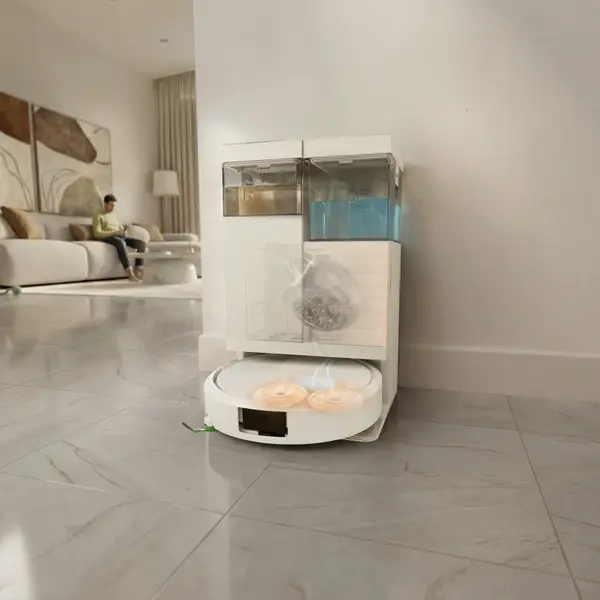
The flagship of the new line is the Roomba Max 775. It has a massive jump in suction power, moving from 1,600 Pa in older series to 30,000 Pa. This is a massive leap forward for deep cleaning. The unit uses dual rubber rollers, which remain the best choice for pulling hair out of thick carpets. The most interesting feature is "hot spot mopping." The robot applies a pressurized hot-spray pre-treatment to floors. It softens sticky, dried-on messes before the mop touches them. This is not entirely new to the world of floor cleaning, but it is a first for a main-line Roomba. It turns the robot from a simple duster into a serious mop. Navigation has also seen an upgrade. The top-tier models use lidar combined with camera-based sensors. This setup is powered by logic that detects objects like cords and shoes. The goal is to stop the robot from getting stuck or dragging cables across the room. It is a necessary feature for anyone with a busy household.Granular specs and model breakdown
The lineup is split into clear tiers. The 700 series sits at the top with advanced navigation and the AutoWash dock. This dock does the heavy lifting by emptying the bin, washing the mop with hot water, and drying it with hot air. It is designed to keep the robot maintenance-free for weeks at a time. Mid-range options include the 615 and 675 models. These robots bring the roller mop feature to a lower price point, starting at £599. They retain the hot spot mopping tech but use a slightly different, more utilitarian dock design. They rely on standard lidar navigation rather than the camera-heavy suite found on the 700 series. The 500 and 400 series occupy the entry-level space. The 575 uses dual spinning mop pads and offers 20,000 Pa of suction. It is a major upgrade from the old 500 series, which only managed 7,000 Pa. The basic 115 model starts at £229 and uses a simple, washable microfiber pad. It is an affordable way to get started with automated cleaning.Looking at the future of floor care
This aggressive expansion of the product line feels like a reaction to competitors like Roborock and Ecovacs. Those companies have spent years flooding the market with various models. iRobot is finally playing that game. They are offering a specific robot for every possible budget and floor plan. However, this strategy carries a risk. Having eight new models makes it hard for a normal shopper to choose. You have to compare suction ratings, mop types, and navigation tiers just to buy a vacuum. It is a lot of homework for a device that is supposed to make your life easier. The real test will be how these machines hold up in the wild. Specs on a page look great, but real-world performance is what matters. If these units can navigate a messy living room without human help, they will be a hit. If they require constant fixing, the lower price will not matter much.Frequently asked questions
What is hot spot mopping? It is a feature where the robot sprays hot, pressurized water on the floor to loosen sticky stains before scrubbing them.
Are these vacuums smaller than older models? Yes, many of the new models are up to 25 percent smaller, allowing them to fit under furniture as low as 9cm.
What is the starting price for the new line? The base model 115 starts at £229, which is significantly cheaper than previous entry-level units.
Do all models have cameras? No, only the higher-end 700 series includes camera-based obstacle detection for avoiding cords and clutter.
When will these be available? The rollout begins in mid-2026 across North America, Europe, the Middle East, and Africa.
Expert take: my perspective
I think the most telling part of this announcement is the change in ownership. iRobot was a pioneer, but they lost their way by chasing high-end status and ignoring the rise of cheaper, high-tech rivals. The move to a new parent company seems to have stripped away the ego and replaced it with a focus on raw specs.
The thing that gets me is the sheer number of models. Eight new robots at once? It feels like they are throwing everything at the wall to see what sticks. While I appreciate the lower prices, I worry that the average person will be overwhelmed by the choice. It is hard enough to buy a vacuum without needing a spreadsheet to compare suction pressure.
I am genuinely curious about the hot spot mopping. Most robot mops just drag a damp cloth around, which does nothing for dried juice or coffee spills. If this pressurized spray works as advertised, it might be the first time a robot can truly replace a manual mop. That is a big "if," but it is a step in the right direction.
Ultimately, I think this is a smart pivot for iRobot. They had to get cheaper or risk becoming a relic. By embracing the reality of the current market, they have a fighting chance. I just hope that in their race to cut costs, they did not sacrifice the reliability that once made their name synonymous with robot vacuums.