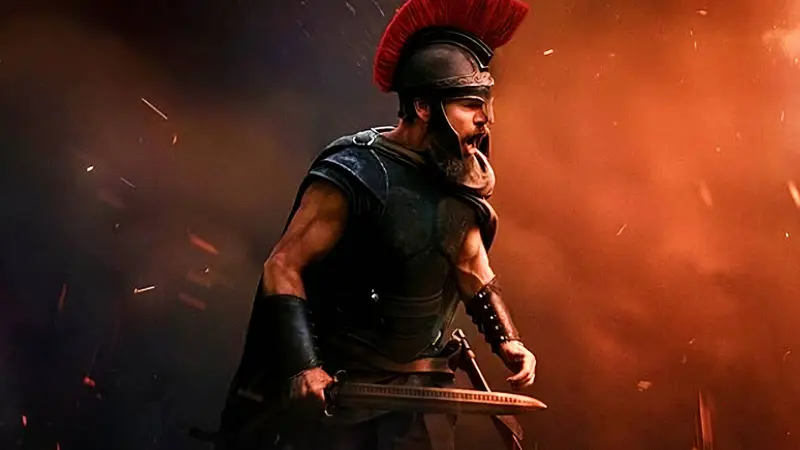
I love a good epic. Homer's ancient poem hits hard every single time I read it. The scale is massive, but the heart is human. When I heard Christopher Nolan was taking on
The Odyssey in 2026, I got hyped. He knows how to handle big, messy stories. He loves to play with time and space. But then I thought about the Coen Brothers. Their 2000 flick
O Brother, Where Art Thou? did something wild with that same story. It didn't try to be a history lesson. It just had fun.
The long road to adapting ancient myths
Homer's work is a beast. It's not just a book; it's the foundation of Western tales. Directors have tried for decades to capture its magic. Some went for big, sweeping shots. Others went for small, quiet moments.
Mario Camerini gave us his take in 1954. It felt grand and bold. Then
Andrei Konchalovsky made a miniseries in 1997. He wanted to fit everything in. It was a massive effort. Then you have
Ulysses' Gaze from 1995. It used the myth as a lens for memory. It showed that the story changes depending on who tells it. We keep coming back to these same beats because they work. They hit on themes of home and loss that never get old.
Why the mississippi delta felt like ancient greece
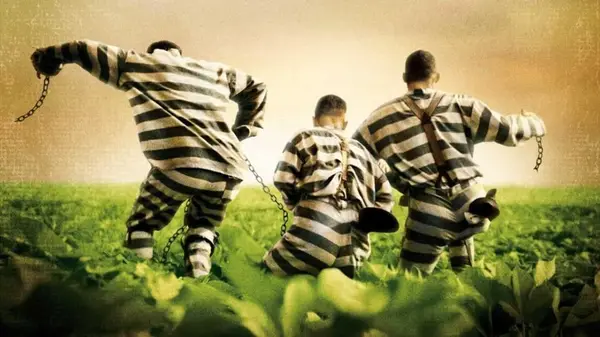
The Coen Brothers took a different path. They moved the action to the American South. They swapped kings for convicts. They turned the gods into corrupt men in suits. It's clever.
Ulysses Everett McGill is our guy. He's vain and loud, just like the original hero. He wants to get back to his wife, Penny. He isn't fighting monsters with swords. He's fighting the law and his own ego. Think about the Sirens. In the poem, they are deadly. Here, they are women washing clothes in a river. It's a genius swap. The music pulls you in, just like the myth says it should. You don't need to know the original text to feel the power of that scene. The blind prophet on the train tracks is another win. He's
Tiresias. He tells the truth even when nobody wants to hear it. The movie keeps the spirit of the epic without needing to be a museum piece. That is why it works so well. Nolan's version is different. He uses modern tech to show the scale of the world. He wants you to feel the weight of the experience. He picks his moments to be weird and bold. He knows he can't just copy the book. He has to change it for today's audience.
When technical mastery meets mythic lore
Nolan loves his practical effects. He doesn't like to rely on screens if he can avoid it. His take on the Aegean Sea feels cold and hard. It's a physical place. You can almost smell the salt. The sound design is a huge part of the 2026 film. He uses low bass to make the audience nervous. It's a trick he's used for years. It works for a story about a man lost at sea. It makes the silence feel heavy. The Coen Brothers went the other way. They focused on the folk music of the South. The soundtrack is the soul of the movie. It tells the story just as much as the dialogue. It's a rhythmic, catchy, and deep way to honor a poem that started as a song. Both films show that you can't just film a poem. You have to translate it. You have to find the rhythm of the new world you're building. If you don't, the whole thing falls flat.
The future of myth on the big screen
I think we will see more of this. Directors want to play with the classics. They see these stories as raw clay. They can mold them into anything. As long as they keep the core themes, it works. We don't need another dry, dusty version of these myths. We need versions that feel alive. We need films that speak to the mess of our own lives. Nolan and the Coens show us how to do that. Will we see more genre-bending epics? I'm sure of it. The audience is ready for it. We want to see how these old stories can talk to us today. It's a great time to be a movie fan. The bar is high now. Any director trying to tackle a myth has to have a point of view. They can't just be a camera operator. They have to be an artist.
My honest take on the great odyssey debate
I have to be real here. I think
O Brother, Where Art Thou? is the better movie. It's tighter. It's funnier. It doesn't take itself too seriously. That's a good thing. Nolan's film is a technical marvel. I respect it. I enjoyed the scale. But it felt a bit cold at times. It was almost too perfect. I like my movies to have a little dirt under their fingernails. The Coens captured the human side of the experience. The desire to get home is universal. When Everett finally sees his wife, it hits me. It doesn't matter that he's a convict in a funny hat. The emotion is real. I think we should stop obsessing over being "faithful" to the source. Who cares if it's accurate? I want it to be good. I want it to make me think. Both movies do that, but the Coens do it with a wink. I like that.
 Vivid