Why You Should Watch The One-Armed Boxer After Mortal Kombat II
Discover the 1970s martial arts classics that inspired the Mortal Kombat franchise and why they are essential viewing for fans today.
You just walked out of the theater after seeing Mortal Kombat II. The adrenaline is still pumping. You need more of that sweet, over-the-top violence. It's time to look back at the roots of the genre.
I know what you're thinking. Why watch old 1970s stuff? Trust me, the classics hit harder than you expect. They aren't just movies; they're the blueprint for everything we love today.
If you want grit, style, and wild combat, look no further. Jimmy Wang Yu is the man you need to find. His work defined a generation of fighters. Let's get into why these films are essential viewing right now.
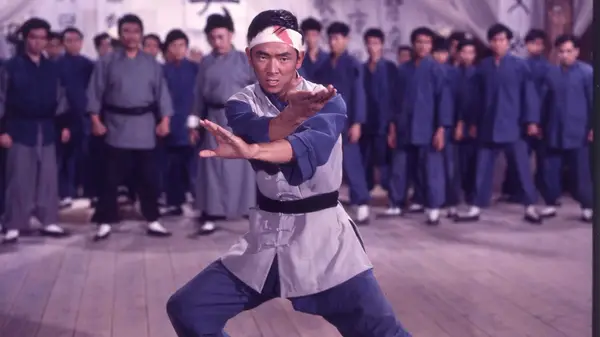
The man who changed everything
Before Bruce Lee took over the world, Jimmy Wang Yu ruled the screen. He was the face of Hong Kong action. Everyone knew his name. He brought a raw intensity that was totally new.
He starred in The One-Armed Swordsman back in 1967. It was a massive hit. He followed that up with The Chinese Boxer in 1970. These films set the stage for his later work.
He didn't just act in these movies. He often wrote and directed them too. This gave him full control over the action. You can feel his idea in every punch and kick.
He understood that a hero needs a struggle. Losing a limb isn't just a plot point. It forces the character to adapt and grow. That experience is the heart of every great fighter.
Enter the one-armed boxer
In 1972, he dropped The One-Armed Boxer. It's a masterclass in revenge cinema. He plays a student who loses his arm in a brutal fight. He loses his master, too. He's left with nothing but a need for justice.
The story is simple. He trains with one arm. He learns to use his remaining strength in new ways. Then, he hunts down the assassins one by one. It's pure, focused rage.
But the real stars are the villains. Each one has a weird, specific fighting style. You get a vampire karate master. You get a guy with stretchy arms. It feels like a video game boss rush.
Four years later, he made the sequel, The Master of the Flying Guillotine. This is where it gets truly wild. The stakes are higher. The weapons are even crazier.
The plot centers on a deadly tournament. The hero must face off against a blind monk with a terrifying weapon. It's a flying, spinning blade. If it touches you, you're done. It's an absolute classic.
This movie is where the Mortal Kombat vibes hit hardest. You have a diverse cast of fighters. Each one brings something unique to the ring. It's a violent, colorful, and fast-paced spectacle.
The DNA of a fighting game
If you look closely, the connections are everywhere. Mortal Kombat owes a debt to these films. You can see it in the character designs. The roster of fighters in these movies mirrors the game's lineup perfectly.
Think about the Mortal Kombat: Deception game. The character Shunkijo is a direct nod to the villain in The Master of the Flying Guillotine. The developers clearly knew their history. It's a love letter to the genre.
The weapons are another huge factor. These films introduced the idea of "finishing moves." You don't just win a fight. You win it with style. You win it with a signature move that leaves a mark.
The tournament setting is also key. It forces every character to interact. It creates natural rivalries. It builds tension that just doesn't exist in a standard chase movie.
Why you should watch now
We are currently in a golden age for action fans. But sometimes the new stuff feels a bit sterile. These old movies have a texture and feel that is hard to replicate.
They aren't perfect. The pacing can be strange. The effects are definitely dated. But that's part of the charm. They have a soul that modern, digital-heavy films often lack.
If you enjoyed Mortal Kombat II, you'll love these. They offer the same thrills without the high-budget polish. They are raw, fun, and completely unhinged.
Don't wait for a remaster or a remake. Watch them as they are. They are a time capsule of a wild, creative era. Your weekend plans are officially sorted.
Quick questions answered
- Are these movies subbed or dubbed? Most versions you find will have both. I prefer the original language with subs for the real feel.
- Where can I watch these? They pop up on various streaming platforms often. Check your local library or digital rental shops.
- Do I need to see the first one to watch the sequel? It helps, but the sequel stands on its own. The tournament plot is easy to follow.
- Is the violence really that bad? It's campy. It's not realistic, but it's definitely creative with the deaths.
- Did Jimmy Wang Yu really do all his own stunts? He did a lot of them. He was a legit athlete before he was a movie star.
My honest take on this
I think people underestimate how much these films matter. We treat action movies like disposable content. But Jimmy Wang Yu was an artist. He knew how to frame a fight to make it pop off the screen.
Honestly, my take is that we need to stop looking only at modern hits. If you want to understand why Mortal Kombat works, you have to look at the source. It's not just about the gore. It's about the wild, imaginative character design.
The thing that gets me is how these old movies feel more "alive" than some of the big-budget stuff we see today. There is a human element in the choreography. You can feel the sweat and the effort in every frame.
I really hope more people discover these. They are a blast. Grab some popcorn, turn off your phone, and just enjoy the chaos. You won't regret it.