Why Rewatching FlashForward in 2026 Feels Like a Total Heartbreak
Revisiting the 2009 sci-fi hit FlashForward reveals why its unfinished ending is still one of the biggest disappointments in network television history.
I sat down to watch FlashForward again last week. It has been seventeen years since this show first hit our screens. I remembered loving the premise back then. It felt smart, fast, and bold.
But something felt off this time around. I kept waiting for the answers that never came. It's a strange feeling to know the end isn't there.
Maybe it's just the nature of modern binge culture. We expect closure now. FlashForward just doesn't give us that luxury. It's a beautiful, broken thing.
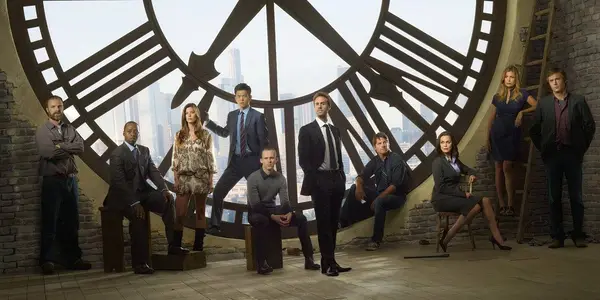
The high-concept fever dream of 2009
Back in 2009, ABC was hunting for the next big hit. They had just finished the run of Lost. That show changed how we watched TV. Every week was a massive event. Everyone had a theory about the island.
Then came FlashForward. It was based on a book by Robert J. Sawyer. The idea was simple but huge. The whole world blacks out for two minutes. Everyone sees their own future. It happens six months later.
People were hooked fast. You had to know if those visions came true. It felt like a puzzle you could solve. It wasn't as cryptic as Lost. It felt grounded in a way that made you sweat.
The cast was solid, too. Joseph Fiennes led the charge. He played a guy trying to stop his own dark future. It worked because the stakes felt real. It was a global event with personal costs.
What made the show click
The pacing of FlashForward was elite. Most network shows from that era feel slow today. This one doesn't. It moves with a purpose. It balances the mystery with character beats perfectly.
The visuals still hold up pretty well. They didn't lean too hard on CGI that ages poorly. They focused on the panic in the streets. They focused on the chaos of the blackout. It's effective filmmaking.
The writing team had a clear roadmap. You can feel the structure in every episode. They weren't making it up as they went. That's rare for a show from that time.
But that structure is also the trap. It's a serialized story. It demands a conclusion. When you watch it now, you see the threads hanging loose. It's like reading a book with the last few pages ripped out.
It's a tragedy of timing. The show needed a second season to breathe. It needed time to pay off the huge setup. ABC pulled the plug too early. We lost a great story because of low ratings.
The technical side of a dead series
Technically, the show was a beast for its time. They shot on film, which gives it a texture that feels rich. Digital cameras back then didn't look this good. It's a shame more shows didn't take this path.
The sound design is also worth noting. The silence of the blackout is haunting. It's a simple trick but it works every time. It makes the world feel empty for a split second.
The editing is snappy. They cut back and forth between the present and the visions. It keeps the tension high. You never get bored watching it.
It's a masterclass in pilot design. The first episode is a perfect hook. It sets the rules and breaks them at the same time. Few shows today can pull that off.
Why it still matters today
Why do we still care? Maybe because we love a good "what if" story. We want to know if we can change our own fates. FlashForward tapped into that human fear.
It's also a look at a lost era of TV. We don't get these big, swing-for-the-fences shows on network TV anymore. Everything is either a spin-off or a reboot. This was an original idea.
It's a reminder that risks fail. Sometimes the best shows die young. It's not fair, but it's the reality of the business. You can't force an audience to show up.
I keep hoping for a reboot or a movie. It won't happen, though. The ship has sailed. We just have these twenty-two episodes to remember.
Common questions about the show
Is the show worth watching if it has no ending? Yes. The experience is great. Just be ready for the frustration.
Did the book provide a better ending? The book is a bit different. It's a fun read if you want a conclusion.
Why was it canceled? Ratings dropped after the hiatus. Networks are brutal about numbers.
Is there a way to finish the story? Not officially. The writers had ideas, but they never made it to screen.
Does it feel like Lost? It shares the DNA of a mystery box show. But it's more of a thriller.
My honest take
I think the frustration is part of the charm. It's a show about the future that never got to have one. That feels poetic in a sad, annoying way.
I get mad every time I reach the final scene. It's such a bold cliffhanger. To leave it there is cruel. It's like being served a great meal and then having the plate snatched away.
The thing that gets me is the wasted potential. The writers had so many cool paths to take. I would have loved to see how they handled the second season.
Honestly, my take is that we should still watch it. It's a piece of history. It's a snapshot of a time when we still believed in big, messy network mysteries.