Sony and the Future of Generative AI in Gaming
Sony is betting big on generative AI tools to change how games are made. But will it actually help developers or just cut corners?
I remember when game development felt like a purely human craft. You had artists drawing textures by hand. You had animators tweaking every single frame. It was slow, sure, but it felt special. Now, the industry is looking at a massive change.
Sony is talking about how they want to use generative AI in their future projects. They claim it's all about helping teams build better games faster. But I have to ask: does it help the players or just the bottom line?
It's a topic that brings up a lot of nerves. We've seen how these tools can change creative work in other fields. Now, the Sony PlayStation 5 ecosystem is stepping into the fire. Let's look at what they're planning to do.
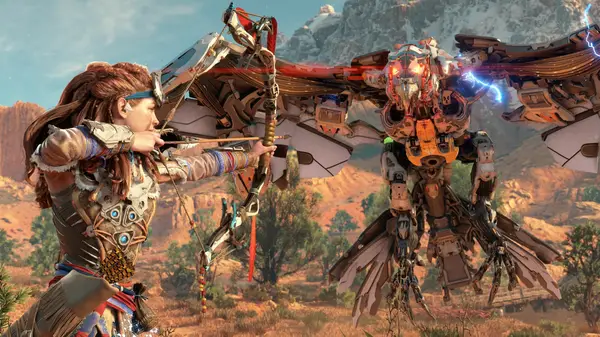
The big shift in how games get built
For years, Sony has focused on high-end, cinematic stories. You know the ones. You play as a hero, you watch a grand cutscene, and you feel immersed. This takes a lot of people and a lot of time. It's expensive, too.
Corporate leaders are always looking for ways to save money. That's just how it works. They want to make more, spend less, and keep the shareholders happy. So, they turn to new tech to bridge the gap.
The latest earnings call made this very clear. They aren't hiding their plans. They want to use software to handle the heavy lifting. They think it's the key to keeping up with the demand for huge games.
But does this change the heart of what we play? That's the real question. If a machine makes the world, does it still feel like it was made with love? We'll find out soon enough.
What sony plans to do with AI
Sony is pushing a tool called Mockingbird. It's designed to animate 3D faces using data from real actors. They already used it in the Horizon Zero Dawn Remastered project. It's meant to speed up the workflow.
They also have plans for hair animation. This has always been a pain for developers. It's hard to make hair look right. They think AI can handle the math so artists can focus on other stuff. Sounds nice, right?
Then there are the NPCs. They want to build characters with their own personalities. They say these characters will make the world feel alive. They want dynamic, changing stories that react to you. It's a bold goal.
CEO Hiroki Totoki says they aren't replacing people. He calls it an augmentation of skills. He wants to optimize how they process data from human captures. It's all about efficiency, he claims.
But efficiency can be a double-edged sword. If you optimize a human out of the loop, you lose their touch. You lose the mistakes that make a game feel real. Perfection isn't always the goal in art.
They're also looking at upscaling tech. You've probably heard of PSSR. It's their way of making graphics look sharp without taxing the hardware too much. It's another way they use math to fake the work.
The technical side of the new tools
The Mockingbird tool is the star of the show right now. It takes a performance capture and turns it into digital movement. It saves weeks of manual animation work. That's a lot of time saved.
Hair simulation is the other big focus. It's traditionally very labor-intensive. By letting an AI model figure it out, they save hours of tedium. It's a smart move for a technical pipeline.
Then there's the PSSR tech. It acts like a filter for the screen. It uses deep learning to boost the resolution. It makes games look crisp even when they're made at lower levels. It's clever engineering.
These tools are all about scaling up. They want to make massive worlds without needing five thousand people to build every leaf. It's a numbers game ultimately.
What this means for the future of games
If this works, we might see games with more scope. Maybe the worlds become larger and denser. Maybe the NPCs have things to say. It could be a new era of immersion.
Or, it could lead to games that feel hollow. If everything is generated by a machine, it might lose its soul. We've seen this happen with other automated tech. It all starts to look the same after a while.
I worry about the creative process. When you remove the struggle, you remove the discovery. Some of the best things in games come from trying to fix a broken piece of code. If AI does it all, do we lose that?
We'll have to wait and see what the next few years bring. The industry is moving fast. Sony is leading the charge. Whether it's for the best remains an open question.
A few answers to common questions
Is Sony firing all their artists? No. They say they want to help them, not replace them. They want to give them better tools to work with.
What is Mockingbird? It's an internal tool for facial animation. It turns real human acting into digital movement for game characters.
Will this make games better? Maybe. It could allow for more complex worlds. But it could also lead to games that feel a bit robotic or formulaic.
What is PSSR? It's a tech for upscaling images. It helps the console show high-quality graphics without needing as much raw power.
Should I be worried? It depends. If you like handmade games, you might feel uneasy. If you just want big, shiny worlds, you'll probably like the results.
My honest take on this
Honestly, I'm skeptical. I look at these tools and I see a company looking to cut costs. They say it's about "augmentation," but that's just corporate speak. It's a way to do more with less, and that usually hits the workers first.
I think the best games come from human passion. You can feel it when someone put their heart into a scene. You can't simulate that kind of care. If we lose the human element, we lose the magic.
The thing that gets me is the focus on "formulaic" design. Sony's games are already very polished and very safe. Adding AI to the mix feels like it will just double down on that. I want to see wild, risky ideas, not more of the same.
I hope I'm wrong. I hope this tech helps developers make things that were impossible before. But for now, I'm keeping my expectations low. I'll be watching to see if the soul of the game survives the process.