Summer Movie Season Stakes: Can Hollywood Still Sell Hits?
Hollywood faces a make-or-break summer movie season. We look at the hits, the flops, and if audiences still care about big screen events.
I remember when summer meant pure fun at the cinema. We'd grab tickets for the biggest, loudest flick on the block. It was a ritual for all of us. But things feel different now. The magic isn't quite the same as it used to be.
Honestly, I think we're all a bit tired of the same old stuff. You see a trailer, and you know the ending before it starts. Studios are betting big this year, though. They need us back in those seats.
This summer movie season is the real test for the industry. If they can't win us over, they've got a massive problem. I'm curious to see if they pull it off. Let's look at why this matters so much right now.
Why we are all watching the box office closely
The months from May to August usually bring in 40% of the year's total cash. That is a huge chunk of change for the studios. If they miss their targets, the whole system wobbles. They need those big wins to keep the lights on.
Last year was a bit of a mess. You might remember how Thunderbolts and Fantastic Four: First Steps just didn't land. They felt like homework instead of fun. Even Mission: Impossible – The Final Reckoning struggled to get people out of their houses.
The goal was to hit $4 billion, but they fell short. It wasn't just a small miss; it was a sign that something is wrong. People aren't just going to show up because a movie has a big name. They want something that feels new.
So, the studios are sweating. They know that if they fail again, they'll have to change how they spend their money. They'll stop making the big bets and play it safe, which is bad for everyone who loves movies.
The big gambles hitting screens this summer
This year, the studios are throwing everything they have at the wall. They are hoping something sticks. You have Star Wars projects and massive sequels trying to grab our attention. It's a high-stakes game of chicken.
I think the biggest issue is that we've seen it all before. How many times can we watch the same heroes save the same cities? It's getting old. The audience is smarter than they think. We want stories that bite.
Some of these films have been in the works for years. They were supposed to be the crown jewels of the season. Now, they are just nervous bets. The execs are watching the numbers every single morning. They need a hit to prove their model still works.
Then you have the Spielberg factor. Whenever he puts out a film, people pay attention. It's a different kind of hype. It's not just a product; it's a piece of art that people want to discuss. That is the kind of energy the industry needs right now.
But can one director save the whole summer? Probably not. It's going to take a mix of big stars and smart scripts. If they keep relying on old ideas, we will keep staying home. It's that simple.
The pressure is definitely on. They have to prove that the big screen still matters. If they fail, it might be the end of the blockbuster era as we know it. I'm not sure if I should be sad or excited about that.
The hard math behind the ticket sales
It's not just about the art; it's about the tech, too. The cost of making these films is through the roof. You need to sell a mountain of popcorn just to break even. It's a dangerous game.
When a film costs $300 million to make, it has to be a global smash. It can't just do well in the U.S. It has to work in every market. That makes studios very boring. They stop taking risks because they are too afraid to lose that cash.
We are seeing more reliance on artificial intelligence to map out what we might like. They use data to pick stars and release dates. But does that really work? I don't think it captures the soul of a good film.
It feels like they are trying to solve a math problem instead of telling a story. Sometimes it works, but usually, it just feels cold. We can tell when a film is made by a machine. We want heart, not just pixels.
What happens if the screens go dark?
If this summer fails, we'll see a massive pivot. Studios will slash budgets even more. They will stop taking chances on new directors. We will get even more sequels and reboots. It's a sad cycle.
But maybe it's a good thing. Maybe the industry needs a wake-up call. If the old way of doing things dies, something new can take its place. I'd love to see more original stories getting the big budget treatment.
We need to support the movies that try. If we only show up for the big, safe hits, we are part of the problem. I think we have the power to change the industry just by where we put our money.
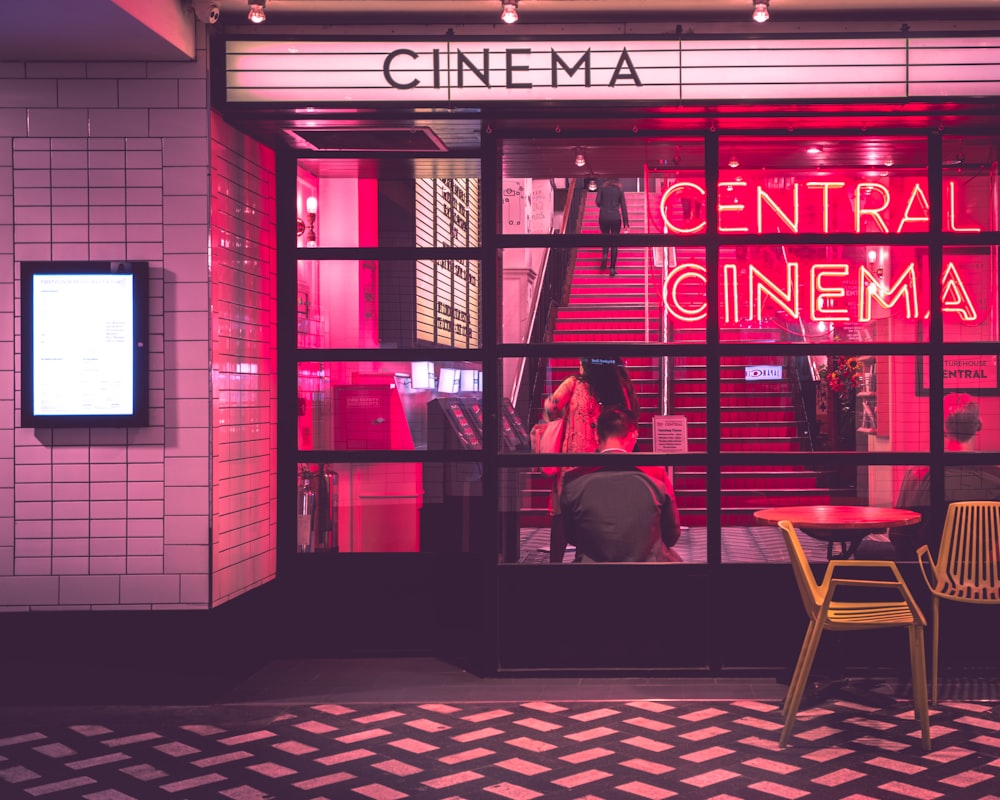
The next few months will tell us a lot. Are we still cinema people? Or are we just streaming people now? I think the answer is somewhere in the middle. We just need a reason to leave the house.
Quick questions answered
Is the summer season still the most important time for movies? Yes, it accounts for nearly half of the annual revenue. It is the lifeblood of the theater business.
Why did last year's movies fail? They felt stale. Audiences were tired of sequels that didn't bring anything new to the table.
Does AI help make better movies? It helps with the math and the schedule, but it can't create the spark that makes a hit.
Will Star Wars save the box office? It has a huge fan base, but even that isn't a guarantee anymore. The story has to be good.
What is the biggest risk for studios this summer? Spending too much on films that don't capture the cultural mood. It's a very expensive gamble.
My honest take on this
Honestly, I think the industry is in a bit of denial. They keep blaming the audiences for not showing up. They say we have short attention spans. I think that is a total lie.
The truth is that we just want good movies. If you give me a great story, I will be the first one in line. I don't care if it's a sequel or a remake. I just want to feel something when the lights go down.
I find it funny how they talk about the "summer movie season" like it's a sacred thing. It's really just a marketing term. If they made good movies in January, I'd go then, too. It's not about the season; it's about the quality.
I'm going to keep going to the theater. I love the popcorn, the big screen, and the crowd. But I really hope this summer gives us something worth talking about. If not, I might just stay home and watch old classics instead.