Why The Boys 2027 Spinoff Is Undermining Its Final Season
Explore how the upcoming Vought Rising prequel impacts the narrative focus of The Boys Season 5 and why fans feel the final season is losing its way.
The end of a legendary series should focus on the people we have followed for years. We want to see Butcher, Hughie, and the rest of the crew get the closure they deserve. Instead, the final season feels like a commercial for something else entirely.
It is hard to watch a show spend its precious final hours setting up a prequel. We are here for the conclusion of the war against Homelander. We are not here to learn about the corporate history of Vought from decades ago.
This trend of building shared universes often comes at a cost to the story at hand. When a show prioritizes a 2027 release over its own climax, the stakes feel smaller. The audience notices when the writers lose their focus on the main cast.
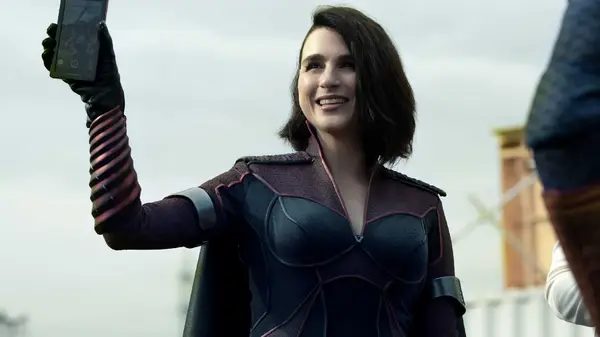
The expansion of the vought universe
The franchise has enjoyed success with earlier spinoffs like Gen V and Diabolical. Those shows felt like side stories that existed in the same space without demanding too much from the main plot. They offered flavor rather than a heavy, mandatory curriculum.
Vought Rising is a different animal. As a prequel, it seeks to explain the very foundations of the company that ruined the world. While the premise sounds interesting on paper, it creates an awkward tension with the current season of The Boys.
We are currently deep into season five. This is the time for payoffs and emotional resolutions. By introducing characters like Bombsight and focusing on the origins of Compound V, the show forces us to care about the past. It pulls us away from the immediate danger facing our heroes.
The v-one problem and narrative distraction
The central plot of the final season revolves around V-One. This is the original, potent strain of Compound V. Homelander wants it to make himself truly unstoppable. The boys want to stop him before he can secure this final power-up.
This quest for V-One is the bridge between the final season and the upcoming prequel. Because the prequel focuses on the era when V-One was new, the writers have made it the anchor for the finale. It is a smart move for marketing but a weak move for storytelling.
We see characters like Soldier Boy and Bombsight taking up significant screen time. These men are essentially advertisements for Vought Rising. Their history and their feuds feel disconnected from the personal journey of characters like Hughie Campbell or Annie January.
The show could have handled this differently. It could have used existing, beloved characters to drive the V-One plot forward. Bringing back someone like Queen Maeve to handle the research would have felt earned. It would have respected the history of the show itself.
Instead, we are stuck watching new, retro Supes fight over historical artifacts. It feels like the show is trying to do two things at once and failing at both. The tension of the finale is diluted by these constant reminders that a prequel is coming soon.
Technical shifts in storytelling priorities
The shift in focus has real consequences for the pacing of the final season. Season four left us in a state of chaos. Butcher was spiraling, and the team was fractured. We expected the final season to address these emotional wounds with precision.
When the writers dedicate scenes to the internal politics of 1950s Vought, they are not developing the main cast. We lose time that could have been used to flesh out the motivations of the Seven or the core group. The character arcs feel rushed because the schedule is packed with prequel setup.
This is a common issue in modern television production. Studios want to keep the intellectual property alive at all costs. They treat the final season of a hit show as a launchpad for future content. The audience, however, just wants a satisfying ending to the story they started years ago.
The inclusion of these prequel elements makes the final season feel less like a finale and more like a bridge. It is a shame, because the potential for a powerful, gut-wrenching conclusion was clearly there. The pieces were all in place, but the priority was elsewhere.
Analysis of the final season outlook
Looking ahead, the legacy of The Boys will depend on how the final episodes resolve these threads. If the show can pivot back to the core conflict, it might save its reputation. But if the prequel setup continues to dominate, the finale will likely feel hollow.
The fans have been vocal about their disappointment. They see the seams where the prequel is being stitched into the main narrative. It is a transparent attempt to maintain momentum for the franchise beyond its natural conclusion.
We have to ask if this is the best way to treat a flagship series. A great ending should be self-contained. It should not rely on the viewer having an interest in a show that does not even exist yet. The focus should remain on the people we have spent years rooting for.
Frequently asked questions
- Is Vought Rising a direct sequel? No, it is a prequel focusing on the early days of Vought International and the first generation of Supes.
- Why is V-One important in the final season? V-One is a powerful strain of Compound V that makes Supes nearly invincible, which is why Homelander is hunting it down.
- Are the spinoffs necessary to understand The Boys? Previous spinoffs were optional, but the current season ties the final arc heavily to the upcoming prequel.
- Will the final season provide closure for the main characters? While it attempts to do so, many fans feel the plot is too crowded with prequel setup to give everyone a satisfying end.
- When does Vought Rising come out? The prequel is scheduled for release in 2027, which is why its presence in the 2026 season feels like a marketing tactic.
Expert take: my perspective
I think the biggest mistake here is the lack of trust in the audience. The showrunners clearly feel that we will not watch a prequel unless they force us to care about it through the main show. It is insulting to the fans who have stayed loyal for years.
The thing that gets me is how much better the final season could have been. Imagine if we spent those extra hours watching Butcher confront his demons or seeing Hughie deal with the trauma of his journey. Instead, we are watching historical exposition about 1950s superheroes.
I personally feel that a finale should be selfish. It should only care about itself. By trying to be a launchpad for the future, the show has robbed itself of the chance to be truly legendary. It is like a band playing a new, mediocre song during their final encore instead of the hits the crowd wants.
Ultimately, I believe this will be remembered as a cautionary tale. It shows what happens when corporate strategy overrides creative integrity. I hope future shows learn that a strong ending is worth more than a dozen potential spinoffs.