The Terror Season 3 Devil Explained: Inside the Bison Horror
We take a deep dive into the terrifying bison-headed devil from The Terror: The Devil in Silver and talk to the creators about the show's dark secrets.
I still remember the first time I felt true dread watching a horror show. It wasn't a jump scare. It was a slow, creeping realization that something was wrong. The Terror: The Devil in Silver brings that exact feeling back to my living room. It's not just another ghost story.
Season 3 of this anthology series hits different. It trades the ice and ships of the past for a grim, decaying psych ward. We follow Pepper, played by Dan Stevens, as he gets trapped in this place. It's a nightmare. The walls seem to breathe.
But the real star is the devil. It shows up in the second episode and changes everything. You might think you know what's coming, but the creators have other plans. It's messy, it's raw, and it's deeply uncomfortable to watch. Let's talk about why that bison head is so effective.
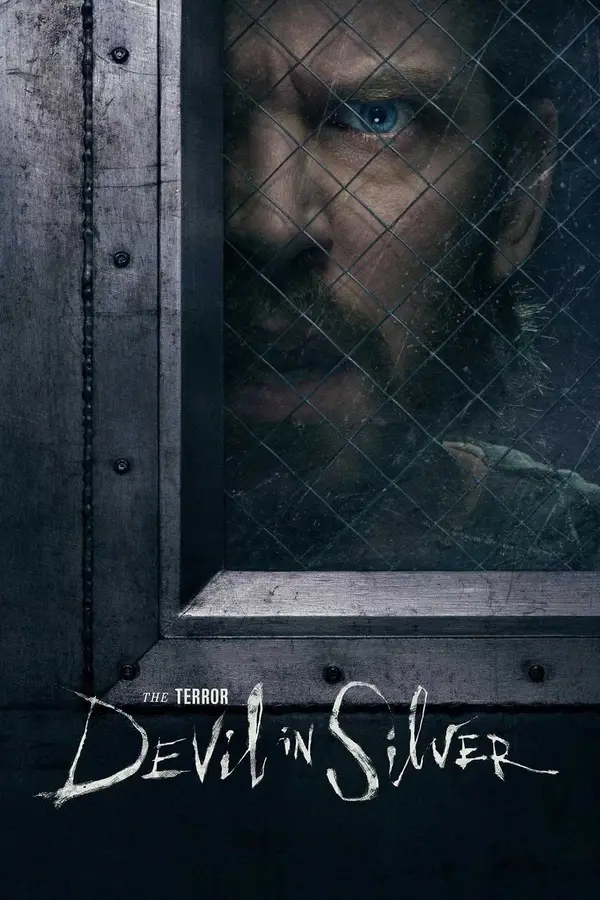
How the bison devil came to life
The creature design didn't happen by accident. Karyn Kusama, the director, wanted the devil to feel like a shared hallucination. She looked at how we take small images and turn them into massive symbols. Think of a buffalo on a coin. Now, make that a monster. That's the vibe.
She fought for a balance. The team needed something physical for the actors to react to. They didn't want a fake, hollow effect. They wanted the cast to feel the weight of the monster. It needed to be something they could touch and smell. That adds a layer of grit to the performance.
At the same time, the creature had to feel like a dream. Or a nightmare. It lives in the spaces between sanity and madness. It's not just a beast; it's a reflection of the pain inside the hospital. The director kept the screen time short on purpose. Less is more when you're dealing with fear.
Inside the mind of a monster
The story comes from Victor LaValle's book, but the show takes it further. The writers wanted to find the boss behind the boss. They asked what could be worse than a bison-headed devil. The answer was simple: a human.
They brought in John Benjamin Hickey to play Dr. Walter. He isn't a monster in a suit. He is a man who embodies pure, cold evil. The show uses his performance to ground the supernatural stuff. It's a smart move. It makes the horror feel like it could happen in real life.
The co-showrunner, Chris Cantwell, talked about this shift. He thinks the scariest things are human. When the devil appears as a person, it hits harder. It's not just a prop. It's a person looking you in the eye. That's a primal kind of fear.
They debated the eyes for a long time. Should they go white? Should they glow? No. They kept the actor's normal eyes. That makes it personal. It's like the devil is talking directly to you. It's an intense way to break the fourth wall without using a gimmick.
Pepper's reaction is key here. He's trapped, and he's terrified. He sees the devil in many forms. Sometimes it's the beast. Other times it's a doctor. This variety keeps the viewers guessing. You never know if the threat is physical or just in their heads.
These shifts are vital. They act as punctuation marks in the story. They remind us that there is a force here that doesn't care about rules. It's a dark, twisted game, and Pepper is the one stuck in the middle of it.
The technical craft behind the dread
The production team focused on tactile horror. They didn't rely on digital tricks. They wanted real textures. The bison head was crafted to look old and worn. It had to look like it came from a fever dream.
Lighting played a huge role in the second episode. Notice how the lights flicker when the devil appears. It's a classic move, but it works. It hides the monster just enough to let your brain fill in the gaps. Your mind creates something worse than a prop ever could.
The sound design is just as vital. It's not loud bangs. It's the sound of hooves on tile. It's the sound of heavy breathing behind a wall. The audio team built a soundscape that makes the hospital feel like a living, hungry stomach.
Where does the horror lead us now?
The show sets a high bar for the rest of the season. By moving away from the book's exact monster, the team has given themselves room to grow. We aren't just watching a creature feature. We are watching a slow descent into darkness.
The audience is now asking the right questions. Is the devil real? Does it matter? The line between a mental break and a haunting is gone. That ambiguity is where the show finds its power. It doesn't give you easy answers.
I expect the remaining episodes to get even darker. The foundation is set. We know the rules, and we know the stakes. Now, we just have to watch as Pepper tries to survive. It won't be pretty.
Common questions about the devil
Is the bison devil the only monster? No, it appears in many forms to different people. It reflects their inner pain.
Why is John Benjamin Hickey so scary? He plays a human who is the devil. His calm demeanor is far more chilling than any CGI beast.
Is the monster real or a hallucination? The show keeps this vague on purpose. It forces the viewer to decide what is happening.
Does the show follow the book closely? It adapts the source material but adds new layers to the "boss behind the boss" concept.
Why show the monster so little? The director believes that the less you see, the more your brain fears what it imagines.
My take on the new season
Honestly, I love how they handled this. Most shows try to show the monster too early. They ruin the mystery in the first ten minutes. The Terror knows better. It makes you wait for the payoff.
The decision to use a human actor as the devil is a stroke of genius. I think we've all seen too many rubber monsters. It's boring. But a person with cold, dead eyes? That sticks with me. It feels like a real threat.
I find the psychological aspect the most compelling part. I don't care if the devil is "real" in the show's world. The trauma is real. The pain is real. That is enough to keep me hooked for the whole season.
If you haven't started watching, get on it. It's the best horror TV I've seen in a long time. Just don't expect a happy ending. This isn't that kind of show. It's going to get much worse before it gets better.