Why Thunderbolts* Is The Marvel Cinematic Universe Savior We Needed
Discover how Thunderbolts* successfully unified the fractured post-Endgame Marvel Cinematic Universe and why this ragtag team matters for the future.
The Marvel Cinematic Universe hit a wall after the grand finale of the Infinity Saga. Fans felt lost as the narrative threads began to fray in every direction. It seemed like the studio had forgotten how to make us care about individual heroes. Then came the surprise hit, Thunderbolts*. Nobody expected a movie about second-tier villains to carry the weight of an entire franchise. This project did not just entertain; it stitched the broken pieces of a fading empire back together. I think the success of this film proves that smaller, character-driven stories work better than massive cosmic stakes. It brought heart back to a machine that felt like it was running on cold, mechanical fumes.
Rebuilding the marvel narrative foundation
The post-Endgame era suffered from a lack of focus. We saw a dozen different stories start, but few felt like they were going anywhere. The connection between shows like WandaVision and films like Eternals felt nonexistent. Viewers grew tired of the endless setup that never delivered a satisfying payoff. The franchise needed a bridge to link these disparate threads. Thunderbolts* stepped into that gap with surprising grace. By gathering characters from various corners of the map, the film created a sense of cohesion that had been missing for years. It proved that you do not need a god or a super-soldier to hold a movie together. This film also cleaned up some of the mess left by earlier projects. Characters like John Walker were given a proper path forward after their rocky debut in The Falcon and the Winter Soldier. It turned a controversial figure into someone we could root for, which is a massive win for the writers.
How a ragtag team became a family
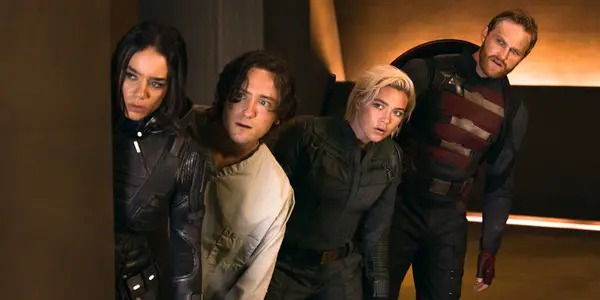
The core of the movie rests on the chemistry of its leads. Yelena Belova shines as the anchor of the group. She brings a grounded, sarcastic energy that balances out the more intense personalities. Seeing her interact with Bucky Barnes felt like the natural evolution of the stories we saw back in the Black Widow era. Unlike the original Avengers, this group does not start as a team of legends. They are broken people with dark pasts and limited options. This shared history of failure makes them feel like a real family. They do not fight because they are told to; they fight because they have nobody else. The inclusion of Valentina Allegra de Fontaine acts as the glue for the entire operation. She is not a hero, and that makes her influence feel dangerous. She controls the board, and watching her manipulate these characters adds a layer of tension that felt absent in the more heroic entries of the past. Every member brings a different kind of trauma to the table. Ghost and Alexei add levity and mystery to the mix. When they finally work together, it feels earned. The final act shows a level of unity that the original team never quite reached. It was a bold shift for the studio.
Technical mastery and creative choices
The film succeeds because of its tight focus on character dynamics. The writers chose to limit the scope of the action scenes to keep the focus on the team. By doing this, they allowed the quieter moments to breathe. We get to see these people talk, argue, and eventually lean on one another. Visually, the film leans into a gritty, street-level aesthetic. It moves away from the bright, neon-soaked visuals of some recent entries. This choice helps the characters feel more vulnerable. When they get hit, it hurts, and that physical toll adds weight to their mission. The introduction of Bob is another technical highlight. His powers are strange and unpredictable, which forces the rest of the team to adapt. This adds a layer of chaos to the fight choreography. It keeps the audience guessing throughout the final showdown.
The future of the marvel cinematic universe
Looking ahead to Avengers: Doomsday, the impact of this film cannot be overstated. We now have a group of characters who are ready to face the next big threat. They have a history and a bond that will make the stakes feel much higher. The audience is invested in their survival. This shift in strategy is a template for the future. The studio should focus on these smaller, tighter groups of characters. It builds a better foundation for the larger crossover events. If the next few years follow this model, the franchise will find its footing once again. We finally have a team that feels human. They are not perfect, and that is exactly why they work. If the studio keeps listening to what the fans want, they might just survive the next phase of their long journey.
Frequently asked questions
Why is there an asterisk in the title of the movie?
The asterisk in Thunderbolts* is a stylistic choice that hints at the changing nature of the team. It is the fact that the roster is constantly shifting. Is this movie essential viewing for Avengers: Doomsday?
Yes, I believe so. It sets up key character arcs and power dynamics that will be critical when the next major villain arrives. Does this film feature any major cameos from other heroes?
It keeps the focus on the team itself. While there are connections to other projects, the film does not rely on cameos to tell its story. How does this team compare to the original Avengers?
The original team was composed of icons. The Thunderbolts are composed of outcasts. This makes their dynamic much more personal and relatable. Will there be a sequel to this film?
Given the positive reception and the setup for future stories, a sequel seems likely. The team has plenty of room to grow.
Expert take: my perspective
I think the biggest mistake Marvel made was assuming that bigger is always better. For years, they tried to top the scale of Endgame without building the emotional stakes first. It felt empty. Thunderbolts* works because it scales everything back to a human level. The thing that gets me is how much we learn about these characters through their silence. There are scenes where they just sit together, and you can see the weight of their pasts. That is the kind of storytelling that makes me love cinema. It is not about the explosions; it is about the people. I will admit, I was skeptical when this was announced. I thought it would be a messy collection of leftovers. I was wrong. The writers managed to weave these threads together in a way that feels organic rather than forced. It is a rare feat in modern blockbusters. If I had one complaint, it is that some characters still feel like they need more screen time. However, as a starting point, this is exactly what the franchise needed. It is a breath of fresh air, and I am looking forward to seeing where they go next.