Amazon 30-minute delivery is changing how we shop
Amazon is rolling out 30-minute delivery services across major US cities to compete with instant delivery apps. Learn how the logistics work.
We live in a world where waiting two days for a package feels like a lifetime. The days of ordering a book on Tuesday and hoping for a Friday arrival are long gone. Amazon knows this better than anyone else in the retail space.
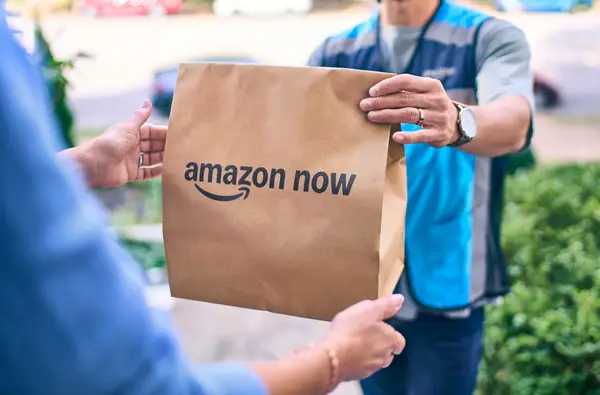
The company is now pushing its Amazon 30-minute delivery service into new markets across the United States. If you live in a major metro area, your morning coffee pods or late-night charging cables might arrive before you finish an episode of your favorite show. This speed changes our habits.
It is not just about convenience anymore. It is about removing the friction between needing an item and holding it in your hand. Let's look at how this shift happened and what it means for the future of our front porches.
The evolution of instant retail logistics
Amazon has chased the dream of instant delivery for over a decade. Back in 2014, the company launched its one-hour and two-hour delivery windows. It felt like magic at the time. You could order a household item and have it drop at your door while you were still at home.
The service started as a standalone app. It eventually moved to a dedicated website called Prime Now. By 2021, Amazon folded these features into its main site. They wanted to make the shopping experience seamless for everyone. They didn't want you to hop between different apps to get your stuff.
The company also tried other experiments along the way. Amazon Today, for instance, connected shoppers to local malls and brick-and-mortar stores. That project shut down in 2024. It shows that even a giant like Amazon struggles to find the right path for local delivery.
These lessons were not wasted. The infrastructure built for those early projects paved the way for the current 30-minute model. They learned how to manage local inventory and optimize routes for drivers on the ground.
Expanding the reach of fast shipping
The Amazon 30-minute delivery service is no longer a hidden test for a few lucky neighborhoods. After a trial run in Seattle and Philadelphia last winter, the program is live for millions of users. You can now find this speed in places like Atlanta and Dallas-Fort Worth.
The list of active cities keeps growing. You will find it in Austin, Houston, Minneapolis, Orlando, Phoenix, Denver, and Oklahoma City. The company is clearly targeting high-density urban areas where they can maximize the number of stops per hour.
How do you know if you have it? When you open the app or visit the site, you will see a badge. It clearly marks eligible items with a 30-Minute Delivery tag. If you don't see it, your area might not be ready yet. The rollout is moving fast, though.
This expansion is a direct response to competitors. Companies like DoorDash and Instacart built their businesses on the idea of instant local delivery. They forced Amazon to rethink its own logistics. Amazon is now using its massive warehouse network to reclaim that ground.
What can you get in thirty minutes? The list includes fresh milk, produce, and over-the-counter medicine. You can also grab small electronics like AirPods or necessary cables. It is perfect for those "I forgot to buy this" moments that ruin a perfectly good afternoon.
Understanding the costs and membership perks
Speed comes with a price tag. If you are a Prime member, you pay $3.99 per order for this rapid service. That is on top of your $14.99 per month or $139 per year membership fee. It is a premium for the luxury of time.
For those without a Prime subscription, the fee jumps to $13.99. There is also a penalty for small orders. If your cart total falls under $15, you will pay an extra $1.99 as a Prime member. Non-members pay an extra $3.99 for these small orders.
These fees cover the cost of local couriers. Delivering a single item across a city in thirty minutes is expensive. It requires precise timing and enough drivers to handle the load. These numbers help Amazon keep the model sustainable.
The pricing structure is designed to push you toward larger orders. When you bundle your needs, the delivery fee feels smaller. It is a smart way to increase the total value of each trip a driver makes.
The future of local delivery networks
What happens when everyone expects their items in thirty minutes? We will likely see a change in how we stock our homes. We might stop keeping backup supplies of batteries or snacks. We will treat the local warehouse as our pantry.
This shift also forces smaller shops to adapt. If a local store cannot match this speed, they must offer something else. They have to provide better service, unique products, or a better shopping experience to stay alive.
Technology will continue to play a big role. We might see more automation in warehouses to pick items faster. We might even see drones or robots taking over the final leg of the trip. The human driver is the bottleneck right now.
Amazon is playing a long game. By moving these goods closer to the customer, they win the war on time. The company is not just selling products; they are selling the feeling of having everything you need, right when you think of it.
Frequently asked questions
- Is the 30-minute delivery available in every city? No, it is currently limited to specific metropolitan areas like Atlanta, Dallas-Fort Worth, and a few others. Check your app for local availability.
- Do I need a Prime membership to use this? You don't, but it is much cheaper if you have one. Non-members pay significantly higher delivery fees for the same service.
- What kind of items can I get in 30 minutes? You can get groceries, basic medical supplies, household cleaning products, and small tech accessories like cables or headphones.
- Why does my order have an extra fee? If your order total is under $15, Amazon applies a small order fee to cover the logistics of sending a driver for a small basket of goods.
- Will this replace standard two-day shipping? Not at all. This is a specialized service for immediate needs, while standard shipping remains the workhorse for most online purchases.
Expert take: my perspective
I think the speed of 30-minute delivery is both amazing and a bit scary. The thing that gets me is how we are losing the art of planning ahead. When we can get anything in thirty minutes, we stop thinking about what we need.
I also worry about the drivers. Being a driver for these services is high-pressure work. Navigating traffic to beat a 30-minute clock is a stressful job. I hope the pay matches the speed they are expected to maintain.
The other thing I think about is the environmental cost. Having a car drive one single item to my house in thirty minutes feels wasteful. I would prefer to wait a day if it meant a truck could drop off ten packages in my neighborhood at once.
Still, I know why people love it. I have used similar services when I was sick and needed medicine without leaving my bed. Convenience is a powerful drug. Once you get used to it, it is very hard to go back to the old way of doing things.