Why Amazon is ditching the dream of a new smartphone
Panos Panay says a new Amazon phone isn't the goal. We look at why the company is avoiding a repeat of the Fire Phone failure.
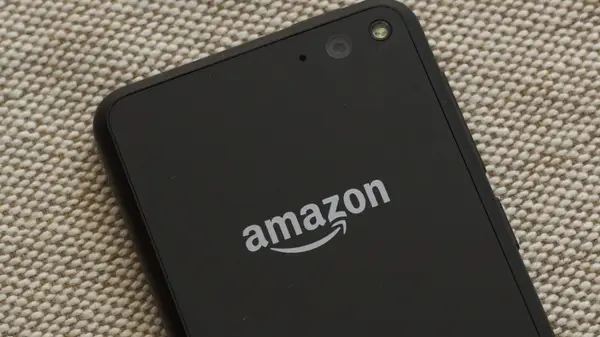
Looking back at the fire phone legacy
The ghost of the Fire Phone still haunts the halls of Amazon. Back in 2014, they tried to capture the market with a gimmick-heavy device. It had 3D effects and a dedicated shopping button. It felt like a prototype that hit the shelves too soon. Consumers didn't bite. The price was too high and the software felt locked to Amazon services. They pulled the plug on the project barely a year later. It was a rare, public stumble for the company. Since then, the hardware team has focused on other things. They found success with the Echo line and Kindle readers. These devices fit into the home or a bag for a specific purpose. They don't need to be your primary window to the world. That history matters a lot here. It taught them that being everywhere isn't the same as being useful. They learned that a phone isn't just hardware. It's an ecosystem war they weren't ready to win.Why the news finally died down
The latest stir started back in March. Reports suggested a secret project called Transformer was in the works. People said it would use Alexa as the core operating system. It sounded like a plan to trap users in the Amazon web. But Panay is now pushing back against that version of events. He spoke with the Financial Times recently to set the record straight. He didn't mince words about where their priorities lie. He knows that building a phone is a massive, risky bet. He pointed out that there are better ways to spend their energy. There are new form factors waiting to be explored. He thinks the market doesn't need another generic slab of glass. Instead, they want to focus on things that solve problems. It's a shift in tone from the company. They aren't trying to copy Apple or Samsung anymore. They are content to build the software and services that people use on phones they already own. It's a smarter, safer play for their bottom line.The math behind the hardware business
We have to talk about the money. Making hardware is notoriously hard and expensive. The devices unit has been a black hole for cash for years. Reports from the last few years show massive losses for the division. Billions of dollars went into developing Alexa and related hardware. Yet, turning that into a profit machine remains a struggle. Adding a smartphone to the mix would only increase the burn rate. It would be a gamble that the company can't justify right now. Panay has a clear mandate from Andy Jassy. He needs to make the devices unit a real business, not just a service cost. That means focusing on high-margin areas. It means getting people to use Amazon Music and Prime services on existing screens. A phone would dilute that focus. It would force them to fight a war on a front they already lost. They are better off refining the smart home experience. That is where they have a clear lead.The future of amazon devices
So, what does this mean for us? It means we shouldn't expect an Amazon branded phone anytime soon. The company is pivoting toward a future where they are the OS inside your home. They want to be the voice that turns on your lights. They are also looking at how AI changes our relationship with tech. It's not about the device you hold. It's about the intelligence that lives in the cloud. That is where the real value is being built today. If they can make Alexa indispensable, they don't need a phone. They can win by being the layer underneath your apps. It's a clever strategy that avoids the hardware trap. It keeps them nimble and focused on their strengths. I think this is the right call for them. The smartphone market is crowded and stale. Trying to break in now would be a waste of talent and capital. They are better off playing their own game.Quick questions answered
- Is Amazon definitely not making a phone? Panay says it's not the goal. While plans can change, they have no clear path for a phone right now.
- Why did the original Fire Phone fail? It was overpriced and relied too much on gimmicks. It lacked the app support people expected from a daily driver.
- What is the main goal for the devices unit? The goal is to make the unit profitable. They want to turn devices into a sustainable business pillar.
- Will we see more Alexa-powered devices? Yes. The focus is on smart home tech and new form factors that provide value without needing a full phone OS.
- Is Panay moving away from phones? Yes. His background includes phone work, but he is now prioritizing what makes sense for Amazon's current business needs.
My honest take on this
I think the news of an Amazon phone were always a bit silly. People love to connect dots that aren't there. Just because a company has the cash doesn't mean they should enter every market. The phone market is a graveyard for companies that tried to compete with the big two.
Honestly, I'm glad they aren't doing it. We have enough phones. Most of them are already perfect for what we need. Adding another one with a proprietary OS would just be a headache for users. I don't want to learn a new interface just to shop for paper towels.
The thing that gets me is the obsession with "owning the platform." Amazon already owns the shopping experience. They don't need a phone to do that. They are everywhere already. Their apps work fine on the phones we have.
I think Panay is being very smart here. He is cutting the noise and focusing on the path to profit. If they can make the devices they have make money, that is a bigger win than a failed phone launch. Let's see if they can pull that off.