The Apache helicopter gets a high-tech boost with autonomous wingmen
The UK military is building autonomous drones to fly alongside Apache helicopters. Here is what you need to know about Project NYX.
I remember when the Apache helicopter seemed like the peak of military tech. It was loud, heavy, and packed with enough firepower to level a small block. It still feels like a beast today. But the battlefield is changing fast. Humans can't do it all alone anymore.
That's why the UK is looking at new ways to stay ahead. They are building small, smart drones to fly right next to these choppers. They call them loyal wingmen. It's a wild idea that might change how air wars work forever.
I think it's the next logical step for air power. You don't just send one pilot into danger if you can send a swarm of machines instead. It keeps the crew safer while doing more work. Let's look at how they plan to pull this off.
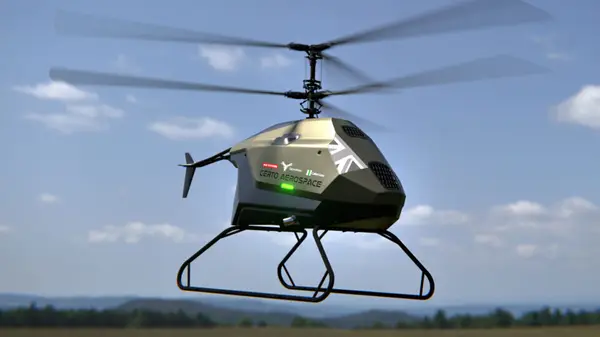
Why the military needs a new wingman
The Apache helicopter has been the go-to for ground support for decades. It's great at spotting targets and hitting them hard. But pilots have a lot to manage. They have to fly, watch for threats, and pick targets all at once. It's a lot of pressure in a war zone.
The UK's Project NYX wants to take that load off. They want drones that can act as extra eyes and ears for the crew. These drones won't just follow the chopper. They will work as a team to scan the ground and find threats before the humans even see them.
You might wonder why they need drones for this. Well, the answer is simple. Drones can go places where it's too risky for a pilot. They can hover over a hill or fly into a tight spot without risking a human life. It's a force multiplier that makes the whole unit much harder to stop.
The race to build the best drone team
The UK Ministry of Defence isn't doing this alone. They picked four big firms to help out. Anduril Industries, BAE Systems, Tekever, and Thales are the ones in the running. They each have a different take on what these drones should look like.
Right now, they have a pool of about 10 million pounds to play with. That's a good chunk of cash to get the ball rolling. They had to cut the list down from seven firms, so the pressure is on. Each firm has to show what their tech can really do.
They aren't working as a team, though. Each firm is building their own design. The military wants to see all the options before they pick a winner. They plan to look at all the prototypes later this year. It's a classic competition to find the best tool for the job.
The goals for these drones are pretty clear. They need to handle recon, find targets, and mess with enemy electronics. These are all things that keep a pilot busy. By letting the drones handle these tasks, the pilot can focus on the big picture.
The drones will act as a buffer. If someone shoots at the drone, the pilot stays safe. It's an easy way to lower the risk to the crew. Plus, having more eyes in the sky means you get a better view of the fight.
They don't expect to have this ready tomorrow. The goal is to get these drones into the field by 2030. That gives them plenty of time to test and tweak the designs. It's a long road, but the tech is moving fast.
How the tech works on the ground
The core of this project is autonomy. The drone needs to know what to do without a pilot holding its hand the whole time. It needs smart software that can spot a truck or a tank from the air. It's not just about flying; it's about thinking.
They are building these drones to be modular. That means you can swap out the sensors or the gear depending on the mission. Maybe one mission needs a better camera. Maybe the next one needs gear to jam enemy signals. It's all about being flexible.
The link between the drone and the Apache helicopter is key. The data has to flow back and forth in real time. If the drone sees something, the pilot needs to know right away. They are working on secure links to make sure that data doesn't get intercepted.
What this means for the future of combat
I think this changes the math for everyone. If you can pair a manned craft with a bunch of cheap, smart drones, your power grows fast. It's not about replacing the pilot. It's about giving them a much longer reach.
We are going to see more of this in the coming years. Every big military is trying to figure out how to use drones in this way. The side that gets it right first will have a huge edge. It's a race that's just getting started.
The 2030 target is ambitious but doable. We have the chips and the code to make it happen. Now they just need to prove it works in the real world. I'm curious to see which of the four firms takes the lead when the final choice is made.
Common questions about the loyal wingman project
Will the drones fire their own guns?
No. The military says humans will always make the choice to pull the trigger. The drones are there to help, not to act on their own with weapons.
How much is the project costing?
The MoD has put 10 million pounds into this phase of the project. That money is split among the four firms to help them build their prototypes.
Are these drones meant to replace pilots?
Not at all. The goal is to make the Apache helicopter more effective by giving the pilot help. It's a team, not a replacement.
When will these be ready for real missions?
The goal is to have them ready by 2030. They have a few more years of testing before they are fully operational.
Why are there four companies involved?
The MoD wants to see different ideas. By having four firms compete, they get the best possible options for the final design.
My honest take on this
I think this is a smart move. Military gear is getting too expensive to lose. If you can put a drone in harm's way instead of an Apache helicopter, you do it. It's just good strategy.
The thing that gets me is the speed of the software. We've seen how fast AI can process images now. It's way faster than any human eye. If they get the software right, these drones will be better at spotting targets than any human pilot.
I do have some worries about the connection, though. You can't have a drone that loses its link in a fight. If the signal drops, the whole plan falls apart. They really need to make sure those links are rock solid.
Ultimately, it's about survival. If this keeps pilots at home or at least out of the worst fire, it's worth the cost. I'll be watching to see if they hit that 2030 goal. It's going to be a fun one to track.