FCC Extends Security Updates for Foreign-Made Drones and Routers
The FCC has extended software update waivers for foreign-made drones and routers until 2029 to prevent major cybersecurity risks in the United States.
The world of connected tech is a fragile house of cards. We rely on drones for work and routers for our daily digital lives. When the government steps in to block updates, things break quickly.
The Federal Communications Commission recently shifted its stance on foreign-made hardware. It decided to keep the lights on for devices that were previously facing a total software lockout. This is a massive relief for owners of existing gear.
Security is the core reason for this move. Forcing devices to stay on old, buggy code is a recipe for disaster. Let's look at why the agency changed its mind and what this means for your hardware.
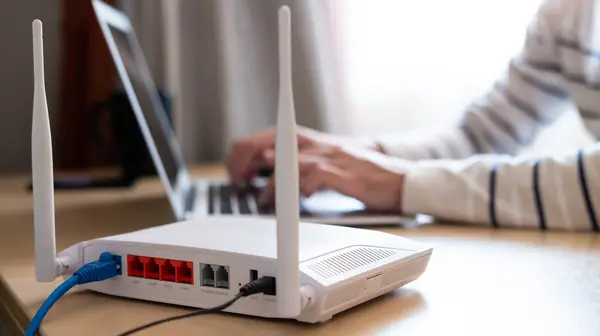
The history of the covered list
The FCC started its "Covered List" program to curb risks from foreign technology. The goal was to limit the reach of hardware that might contain hidden threats. This policy gained steam around late 2025.
When the agency added drones and routers to this list, it created a ripple effect. It was not just about stopping new sales. The rules effectively banned any post-approval software changes for those devices.
Companies could no longer patch their gear after the initial certification. This meant that if a bug appeared, it had to stay there. If a security flaw showed up, it remained open for hackers to exploit.
Why the FCC reversed its decision
The agency realized it was creating a massive security hole. By blocking patches, it was essentially helping hackers. This led to a new waiver system for existing hardware.
The FCC Office of Engineering and Technology issued a fix for this problem. It allows manufacturers to continue releasing firmware updates for drones and routers until at least 2029. This applies to gear authorized before it hit the list.
This is not a blanket amnesty for all foreign tech. It is a targeted lifeline for devices that are already sitting in homes and offices across the country. The agency needs these devices to remain safe while it figures out a long-term plan.
Without these updates, thousands of drones would become paperweights. Routers would become entry points for bad actors. The FCC had to choose between a hardline stance and user protection.
The updated waiver also covers Class II permissive changes. This includes specific modifications meant to stop consumer harm. It is a smart move that prioritizes the health of the current network over rigid policy.
The agency is not backing down on the ban itself. New devices from these manufacturers still face the same hurdles. The waiver only grants a stay of execution for hardware that is already in use.
The technical reality of firmware updates
Firmware is the bedrock of modern hardware. A router without updates cannot adapt to new protocols or secure itself against fresh threats. A drone without updates might fly erratically or lose connection.
The waiver allows for updates that keep devices functional. This covers bug fixes and security patches. It also ensures that devices can still talk to modern operating systems. Without this, compatibility would vanish within months.
Manufacturers must still follow strict certification paths. They cannot use this window to add malicious code or new features that bypass security rules. Every update must be vetted under the existing regulatory framework.
The FCC is trying to prevent a scenario where millions of devices go "dark" at once. A massive failure of routers would cripple home networks. A similar failure for drones could cause physical accidents in the field.
What this means for the future
This decision shows how hard it is to regulate global supply chains. We live in a world where hardware comes from everywhere. Disconnecting from that system is not as simple as flipping a switch.
Regulators are now in a balancing act. They want to protect the nation from foreign interference. At the same time, they must ensure the day-to-day operations of citizens do not collapse. This waiver is the middle ground.
We should expect more of these temporary fixes in the coming years. Technology changes faster than law. The FCC will likely need to refine its "Covered List" criteria as the market evolves.
For now, users can breathe easy. Your router will not suddenly stop working because of a regulatory update. Your drone will remain airworthy for at least a few more years.
Frequently asked questions
Does this mean foreign-made drones are now allowed again? No. The ban on new authorizations for these devices remains in place. This waiver only applies to equipment that was already authorized before the ban.
How long will these updates last? The current waiver extends the ability to provide software and firmware updates until January 1, 2029.
Why did the FCC change its mind? The agency realized that blocking updates left existing devices vulnerable to hackers, creating a bigger cybersecurity risk than allowing the updates.
Does the waiver allow manufacturers to add new features? No. The updates must be limited to those that maintain functionality, patch vulnerabilities, and ensure compatibility with existing systems.
Will my device automatically update? The waiver allows manufacturers to push updates, but you should still check your specific device settings to ensure you are receiving the latest firmware from the maker.
Expert take: my perspective
I think this was the only logical move for the FCC. The idea that we could simply stop patching hardware and assume it would stay secure was naive. In the world of software, a device that stops getting updates is a device that is already dead.
The thing that gets me is the delay in realizing this. We have known for years that firmware is the most important part of any network device. When you cut off the supply of patches, you are basically inviting trouble into your own network.
I worry that some people will see this as a sign that the government is going soft on foreign tech. I don't see it that way. I see it as a pragmatic realization that we cannot just throw away millions of pieces of working hardware.
We need to build a better system for tracking these risks. I hope the FCC uses this time to create a clear, permanent path for security patches. We cannot keep relying on these temporary waivers every few years. It creates too much uncertainty for the average user.