Googlebooks Are Coming: Android Laptops With AI Features
Google is launching a new line of Android-powered laptops called Googlebooks, featuring built-in Gemini AI and phone integration.
Google is changing the game again. They've decided to go all-in on a new kind of computer. These are the Googlebooks, and they run on Android.
I remember when Chromebooks first hit the scene. Everyone thought they were just glorified web browsers. They were simple, fast, and cheap. Now, we are looking at a total shift in how Google thinks about portable computing.
It's not just a new name. It's a whole new way to work. They want to put Gemini at the center of everything you do. Let's see if this makes sense for the rest of us.
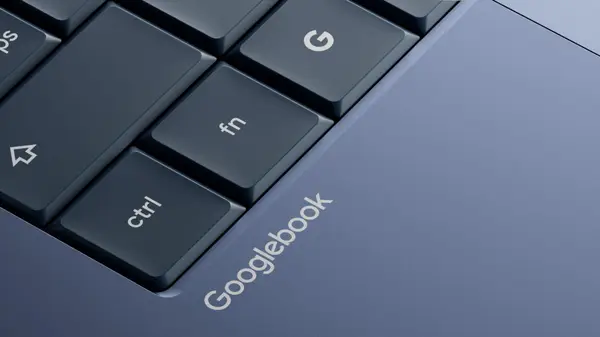
From chrome OS to the android era
Google launched Chromebooks back in 2011. They were built for the web. Schools and offices loved them for their low cost. But they always felt limited. You couldn't really run heavy apps on them. They were great for emails and docs, but not much else.
The company insists that Chromebooks aren't dead. They still have a place in the market. Yet, the energy has moved to Googlebooks. This new line uses Android as its main engine. It's a big bet on mobile software meeting desktop power.
We've seen attempts to bring Android to laptops before. It was always a bit clunky. Apps didn't scale well. Now, Google says it will be native. That means better support and less lag. It's a clean list for their hardware partners.
What exactly is a googlebook?
The big hook here is Gemini Intelligence. Google wants this tech to be the heart of the machine. They even gave it a name: the Magic Pointer. You just wiggle your cursor to wake up the AI. It scans your screen and helps you out.
It's supposed to be smart enough to know what you're doing. Need to book a meeting? Just point at the date in an email. The Magic Pointer picks up the context. It's supposed to save you time. But we've seen similar promises fail before.
They are also bringing Magic Cue over from the Pixel phones. It say actions based on your messages. It's another layer of automation. I'm curious to see if it's useful or just annoying. Most of the time, these features feel like extra noise.
The home screen will feature AI-generated widgets. These pull data from the web and your apps. Think of it as a custom dashboard. It's meant to keep your most important info front and center. It's a nice idea, but I worry about screen clutter.
The software situation is still a bit of a mystery. Google is being quiet about third-party stores. They are also tight-lipped about sideloading apps. We'll know more as we get closer to the launch date later this year.
Specs and hardware features
You won't see a single Googlebook made by Google. They are leaving the hardware to the pros. You can expect models from Acer, Asus, Dell, HP, and Lenovo. This gives you plenty of choices for price and power.
The most distinct visual cue is the Glowbar. It sits on the lid of every Googlebook. It's a nod to old designs like the Pixel C. Google claims it's functional, but they haven't said how. Maybe it shows battery life or notifications.
Integration with your phone is a huge part of the pitch. You can stream phone apps to your laptop. A button in the taskbar shows all your mobile apps. Click one, and it pops up in a window. It's a seamless way to bridge the gap between devices.
The future of desktop AI
Can these machines replace your current laptop? That's the real question. If the apps run well, it might work. But people need more than just phone apps. They need real, deep, professional tools.
The Magic Pointer needs to be more than a gimmick. If it just gets in the way, people will turn it off. Users want efficiency, not just more AI pop-ups. Google has to prove this is a tool, not a toy.
I think the success of Googlebooks depends on the app ecosystem. If the Play Store experience is top-notch, people will jump on board. If it feels like a tablet stretched out, it might struggle to gain traction.
Common questions about the new googlebooks
Are Chromebooks going away? No, Google says they will keep existing alongside the new laptops.
When can I buy one? They should start shipping later this year from various partners.
What is the Magic Pointer? It is an AI tool that scans your screen to offer context-aware help.
Will these run Windows apps? No, these are built on Android, so they run mobile apps and web tools.
Who is making these? Partners like HP, Dell, and Asus are building the hardware for this new line.
My honest take on this
I'm skeptical about the Magic Pointer. Most AI assistants feel like they are guessing what I want. They usually get it wrong. I prefer a computer that stays out of my way. I hope Google keeps the AI optional.
The integration with phones is the best part. I hate switching between my phone and my laptop. If I can run my phone apps on a bigger screen, that's a win. That's a real, tangible benefit for my daily work.
I really wonder about the Glowbar. It looks cool, but I don't need another light on my desk. If it doesn't give me real info, like battery percentage, it's just a battery drain. I hope it's useful.
Honestly, I think Googlebooks will find a niche. They won't replace power users who need heavy software. But for students and light workers? They could be great. We just need to see if the software is as smooth as they claim.