Intel's Project Firefly Aims to Fix Budget Laptops
Intel is launching Project Firefly to produce sub-$600 laptops using a smartphone-inspired manufacturing model to compete with Apple.
Budget laptops have felt like a mess for years. You usually get stuck with slow parts or cheap plastic. It's a frustrating cycle for anyone just trying to get work done. Intel wants to fix this with their new Project Firefly initiative.
They're looking at how phones are made to change the game. By copying the way phone parts are standardized, they hope to cut costs. It's a bold move for a company that usually focuses on high-end silicon. I'm curious to see if it works for everyday users.
The goal is a sub-$600 machine that doesn't feel like a toy. We've seen cheap laptops fail before, but this feels different. Intel is pushing hard to keep x86 relevant. They need a win in the budget space to stay ahead.
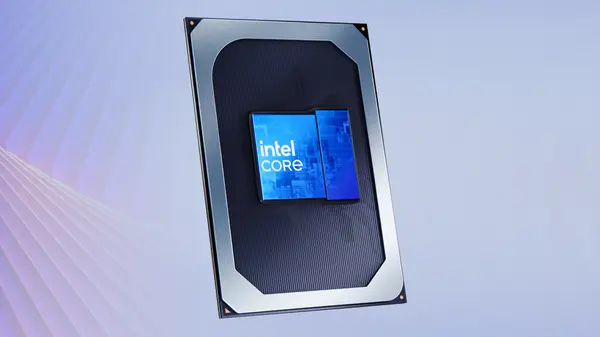
How intel plans to overhaul the budget laptop
The PC industry has long suffered from too much variety. Every brand does its own thing with motherboards and chassis designs. This makes building cheap laptops hard and expensive. Intel is now trying to force a new standard.
They are looking toward the phone world for answers. Phones use modular parts that fit into many different designs. This allows factories to churn out millions of units with ease. If Intel can get laptop makers to agree, costs will drop fast.
This is where Wildcat Lake comes into the picture. These chips are built on the 18A process node. They provide efficiency without needing massive cooling systems. By streamlining the board layout, makers can save even more money on the build process.
It's not just about the chips, though. It's about the whole supply chain. By pushing a universal design, they remove the need for custom parts. This should make repairs easier and production much faster.
The rise of the wildcat lake ecosystem
Intel kicked things off with a big event in China. They showed off a reference laptop that looked surprisingly good. It was thin, light, and sported a bold orange finish. It proved that cheap doesn't have to look boring.
Big names like Asus, HP, and Honor are already on board. They've started shipping laptops with these new chips in the Chinese market. Prices are sitting in that sweet spot between $570 and $660. It's a direct shot at the competition.
We've also seen smaller players like Chuwi jump in. They have an even cheaper model at $449. While these aren't official Project Firefly units yet, they use the same core tech. The market is clearly hungry for these options.
The first true Project Firefly laptop will come from Lenovo. It's called the Lecoo Air 14. Everyone is watching to see how it performs compared to the rest. If it hits the mark, it could set a new bar for the industry.
It's not just about beating Apple, either. Chromebooks and Arm devices are the real targets here. Those machines have owned the low end for a long time. Intel wants to reclaim that ground for Windows fans.
Keeping people in the x86 world is the main mission. If you're used to Windows, you want a laptop that just works. These new machines aim to provide that comfort at a fair price.
What makes the wildcat lake chips tick
The Core Series 3 chips are the heart of this project. They use Cougar Cove P-cores for solid speed. You won't find Hyper-Threading here, but that's fine for basic tasks. The focus is on power draw and efficiency.
These chips are designed to stay cool. That means no loud fans spinning up in the library. A fanless design is a huge win for a budget laptop. It keeps the weight down and the battery life up.
Intel's 18A node is the secret sauce. It allows for higher density and better performance per watt. Even with a lower core count, these chips punch above their weight. They are built for modern, lightweight computing.
You'll notice that these aren't the same as the Panther Lake chips. Those are for the premium tier. It's a bit confusing, but the naming convention is meant to separate the markets. Just look for the Core Series 3 label when shopping.
Can intel really change the laptop market?
The impact will be felt in the coming months. If these laptops perform well, the budget market will shift. Consumers will have more choices than just low-end tablets or slow laptops. It's a long-overdue update for the entry-level space.
Competition is always good for us. When Intel pushes, others have to respond. We might see better screens and keyboards for less money soon. That's a win for everyone who buys a new laptop.
There is still the issue of RAM and storage. Soldered parts are a major pain point for many users. If these machines don't offer upgrades, they'll still have a short life. I hope the Project Firefly spec sheet changes that.
Quick questions answered
- What is Project Firefly? It's an Intel initiative to use phone-style manufacturing for cheap, thin Windows laptops.
- How much will these laptops cost? Intel aims for a sub-$600 price point to compete with other budget options.
- Are these better than Chromebooks? They aim to offer a full Windows experience, which many users prefer over the Chrome OS place.
- When can I buy one? Models are hitting the Chinese market now, with more global options expected later.
- Is the performance good enough? For daily tasks like web browsing and office work, the new chips should be very capable.
My honest take on this
Honestly, I think Intel is playing catch-up. They've let the budget space get stale for way too long. Seeing them try to fix this with Project Firefly is interesting, but I'm skeptical. Marketing a new "standard" is easy. Getting everyone to follow it is the hard part.
The naming situation is a total nightmare. If you have to tell customers not to confuse one chip with another, you've already failed. Most shoppers don't care about codenames. They just want to know if their laptop will be fast enough for their school work.
I also worry about the build quality. Cutting costs to hit $600 usually means sacrificing the trackpad or the screen. If these laptops feel cheap, people won't buy them twice. I want to see a budget laptop that feels premium.
The thing that gets me is the RAM. If they solder 8GB of memory and call it a day, I'm out. We are in 2026; 8GB just isn't enough for a smooth experience anymore. I hope they prioritize user-friendly specs over just cutting the bill of materials.