Linux Kernel Security Mailing List Overwhelmed by AI-Generated Reports
The Linux kernel's private security mailing list is being flooded with duplicate AI-generated vulnerability reports, making it "almost entirely unmanageable".
It's simple. Security is key. Linux kernel's private security mailing list is a mess. They're getting flooded with duplicate reports.
Why? AI-generated vulnerability reports. They're making it hard for maintainers to keep up. It's a waste of time.
This is wild. Linus Torvalds is speaking out. He's saying the list is "almost entirely unmanageable". Something needs to change.
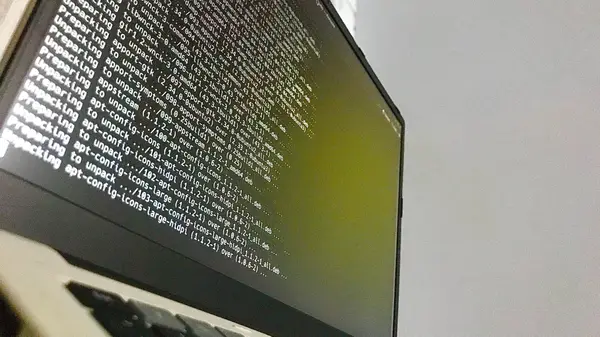
Behind the linux kernel
The Linux kernel is the core of the Linux operating system. It's what makes everything work. The kernel team is responsible for keeping it secure.
They have a private security mailing list. It's where researchers report vulnerabilities. But now, it's being flooded with duplicate reports.
These reports are generated by AI tools. They're finding the same bugs over and over. It's making it hard for maintainers to keep up.
The kernel team is trying to stay on top of it. But it's a big job. They need to make sure the kernel is secure. They can't do it alone.
The ai-generated report problem
AI-generated reports are a problem. They're finding bugs, but they're not adding value. They're just reporting the same things over and over.
Linus Torvalds is frustrated. He's saying that AI-detected bugs are not secret. They should be treated as public disclosures.
Researchers are using AI tools to find bugs. But they're not taking it further. They're not creating patches or adding value.
Torvalds is urging researchers to do more. He wants them to read the documentation, create patches, and add value.
finding bugs. is about fixing them. It's about making the kernel more secure.
Greg Kroah-Hartman is doing it right. He's using his "Clanker T1000" system to find bugs and create patches.
Technical details and solutions
The Linux kernel project is formalizing its stance on AI-assisted contributions. They're establishing a project-wide policy.
AI-generated code is allowed, but developers must follow strict disclosure rules. They must use a new "Assisted-by" tag for transparency.
Every line of AI-generated code is the responsibility of the human who submits it. They must take ownership of it.
The kernel team is trying to find a balance. They want to use AI tools to find bugs, but they don't want to be flooded with duplicate reports.
Impact and
The Linux kernel project is at a crossroads. They need to find a way to deal with AI-generated reports.
They're trying to make the kernel more secure. But they need help. They need researchers to add value, not just report bugs.
The future of the kernel depends on it. They need to find a way to work with AI tools, not against them.
It's a challenge, but it's not impossible. The kernel team is up for it. They're going to make it work.
Quick questions answered
A> It's a list where researchers report vulnerabilities in the Linux kernel.
A> It's because of AI-generated vulnerability reports. They're finding the same bugs over and over.
A> He wants AI-detected bugs to be treated as public disclosures. He wants researchers to add value, not just report bugs.
A> It's a Framework Desktop-powered bug-finding tool used by Greg Kroah-Hartman.
A> They allow AI-generated code, but developers must follow strict disclosure rules and use a new "Assisted-by" tag for transparency.
My honest take on this
I think the Linux kernel project is on the right track. They're trying to find a way to work with AI tools, not against them.
I believe that AI-generated reports can be useful, but they need to add value. They need to be more than just a list of bugs.
I'm impressed by Greg Kroah-Hartman's approach. He's using his "Clanker T1000" system to find bugs and create patches. That's the kind of value that the kernel team needs.
I think the future of the kernel depends on it. They need to find a way to work with AI tools, not against them. They need to add value, not just report bugs.