Why SSD and Memory Makers Are Borrowing Millions Just to Keep Up
Major memory module makers are drowning in debt to buy expensive chips. Here is why the storage supply chain is currently in a state of chaos.
The hidden cost of your PC parts
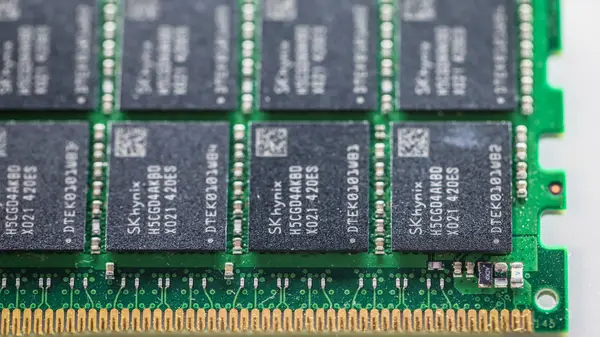
The industry relies on a few key players to make the actual memory chips. We are talking about giants like Samsung, Micron, and SK hynix. These firms dictate the terms. They prioritize high-margin server chips over the parts that go into your laptop or gaming rig. When these big makers pivot to server hardware, supply for everyone else drops. This creates a squeeze. Module makers like Adata and TeamGroup are stuck in the middle. They need to buy these chips to assemble your gear, but the cost is climbing every single month. It's a brutal cycle for them. They cannot just stop buying chips. If they don't have inventory, they don't have a product to sell. They have to pay whatever the big guys ask.Why everyone is running to the bank
The numbers are honestly hard to believe. Several Taiwanese firms are raising $880 million to stay afloat. They are using bonds and bank loans to fill their warehouses. It is a desperate move to keep their production lines moving. Adata is leading the charge here. They recently secured huge bank loans and are selling shares to raise more capital. Other names like GoldKey, Apacer, and Transcend are doing the same thing. They are all chasing the same limited supply of silicon. Why is this happening now? Because the demand for server-grade memory is off the charts. AI data centers are eating up the supply. Everything else gets whatever is left over. This means module makers have to pay a premium just to secure their spot in line. They are essentially betting their futures on the hope that prices stay high enough to cover these massive debts. It is a high-stakes game of poker with your computer parts. The revenue numbers look great on paper, but cash flow is a different beast. These companies are selling more than ever. But they are spending every cent they earn on raw inventory. It's a classic case of growth being more expensive than it looks.The numbers behind the surge
The price hikes are not small. TrendForce reports that DRAM contract prices jumped nearly 95% in early 2026. That is a massive spike for one quarter. NAND flash, which powers your SSDs, is seeing similar trends. These costs filter down to you, the buyer. When a module maker pays double for a chip, they cannot absorb that loss. They pass it on. You see it at the checkout counter. New factories take years to build. We won't see any real relief until late 2027 at the earliest. That is a long time to wait for lower prices. Until then, the supply remains tight and the costs remain high. The big three memory makers hold all the cards. They have no reason to lower prices while server demand is this high. They will keep favoring the big data center contracts because it makes them more money.What this means for your next upgrade
If you are planning a build, don't expect a sudden drop in prices. The inventory costs for the makers are too high for that. We are likely looking at a long period of premium pricing for RAM and SSDs. Some companies are trying to sign long-term deals to lock in prices. Even that is rare. Most are just paying the market rate and hoping for the best. It's a volatile way to run a business. We might see some smaller players fold if they cannot manage this debt. The ones that survive will be the ones with deep pockets or strong bank connections. It is a tough time to be a hardware enthusiast.A few answers to common questions
- Why are SSD prices so high? Demand for AI and server hardware is depleting the global supply of memory chips.
- Will memory prices go down soon? Probably not. New manufacturing capacity won't be ready until 2027.
- Why are module makers borrowing money? They need cash to pay for the expensive, limited supply of chips from manufacturers.
- What is a module maker? They are companies that buy raw memory chips and turn them into finished products like RAM sticks and SSDs.
- Is this just a short-term issue? It has been a sustained problem for over a year and shows little sign of stopping.
My honest take on this
I find this whole situation incredibly frustrating. We are seeing a market where the supply chain is completely broken for the average consumer. It feels like we are being squeezed out by the massive demand for AI infrastructure.
The thing that gets me is how these companies are forced to take on debt just to survive. It's not sustainable. If a company has to borrow millions just to keep their shelves stocked, the business model is clearly under stress.
I think we are going to see a lot of consolidation soon. The smaller brands might vanish, leaving us with fewer choices and higher prices. That is never good for the user.
Honestly, my advice is to buy what you need now if you have to. Don't wait for a miracle price drop. I don't see one coming for a very long time.