OpenAI's Big Push Toward an Intelligent Agent Future
OpenAI is reorganizing its leadership and product strategy to focus on a single agentic platform, merging ChatGPT and Codex into one unified experience.
I have been watching the tech world for a long time. It feels like we are at a weird turning point. Every company is suddenly obsessed with building an intelligent agent in ai. They want software that acts for you, not just software that talks to you.
OpenAI is no exception to this trend. They just announced a massive shakeup. It is clear they want to win the race for the best AI agent. It isn't just about chatbots anymore.
The company is betting everything on this new path. They think this is how they will make real money. I think they might be right, but the execution needs to be perfect. Let's look at how they plan to do it.
Why they are changing the plan
Things move fast in the world of AI. OpenAI has been trying to find its groove for a while. They have had many products that didn't always work together well. Now, they are cleaning house.
They want to stop wasting time on small side projects. Investors are tired of waiting for big profits. They need a hit, and they need it soon. This reorganization is about focus.
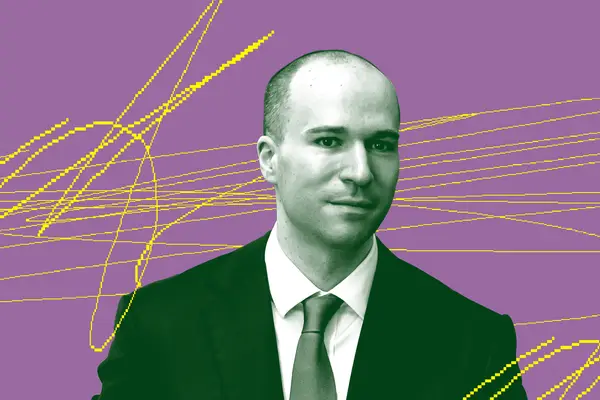
Greg Brockman is the man in charge of this mess. He is now leading the product side of the house. He wrote a memo that made their plans very clear. They want one platform for all their agents.
This is a big move for the team. They are putting their best people on the most important tasks. It shows they know the stakes are high. If they fail, they lose the lead.
The new map of their world
The memo from Brockman is quite direct. He says they will merge ChatGPT and Codex. This will create one single, powerful agentic experience. It is a smart move to combine their best tech.
He has split the work into four main pillars. Each pillar has a leader to keep things moving. This structure is meant to stop the chaos of the past. It's a top-down approach to innovation.
Thibault Sottiaux will run the core product and platform. He knows the Codex tech better than anyone. He is the right guy to bridge the gap between code and chat.
Nick Turley is taking over the enterprise side. He was the head of ChatGPT before this. Now, he has to make sure businesses pay for these new tools.
Ashley Alexander leads the consumer pillar. She will focus on health, money, and commerce. These are huge markets for a personal AI agent. She has a tough job ahead.
Vijaye Raji rounds out the group. He handles the boring but vital stuff like data and growth. Without him, the whole system might just fall apart under the load.
What this means for the code
Building an agent is not just about fancy talk. It requires a deep, stable core. They need to scale this to millions of users. That is a massive engineering challenge.
They are focusing on "agentic scale." This means the agents must do more than just write text. They need to run tasks, book flights, and manage data. It is a step up in complexity.
The goal is to give users real value. If the agent can't do things, it's just a toy. People want tools that save them time. That is the only way to make this business stick.
They are also looking at ads and data science. This is how they will pay for the massive compute costs. It's a classic move to monetize a popular tool. We will see if users accept this shift.
The road ahead for openai
The pressure is on for an IPO later this year. They need to show they are a real business, not just a research lab. This shift to agents is their best shot at that goal.
Competitors are not sitting still. Google and others are also building their own agents. The market is getting crowded fast. OpenAI needs to stay ahead of the pack.
I think this reorganization is a sign of maturity. They are moving past the "cool tech" phase. Now, they are in the "make money" phase. It is a hard transition for any company.
We will see if this works. If they can build a truly useful agent, they will win. If they just clutter the app with more junk, they will lose. It is that simple.
Quick questions answered
What is an agentic platform? It is a system that does things for you. It doesn't just answer questions. It performs tasks like buying items or running code.
Is ChatGPT going away? No, it is changing. It will merge with other tools to become more capable. Think of it as an upgrade, not a deletion.
Why is Greg Brockman in charge? He is a co-founder and knows the product well. He is the right person to align the team for this new, focused goal.
Will these tools be free? Probably not all of them. Enterprise and advanced features will likely cost money. They need to turn a profit for their investors.
What is the main goal of the shuffle? To fix the messy org chart. They want to focus on revenue drivers. They also want to beat other companies in the agent race.
My honest take on this
I think this move was inevitable. OpenAI was getting too spread out. They had too many projects that didn't go anywhere. Bringing in a clear structure is the right move.
The focus on agents is where the real value is. Chatbots are cool, but they aren't enough. We need agents that work for us. I want an AI that can handle my schedule and my email.
The risk is that they move too fast. If they push out buggy agents, people will leave. Trust is hard to build and easy to break. They need to be careful with our data.
Honestly, the thing that gets me is the business pressure. They are trying to please investors before an IPO. I hope they don't lose their spirit in the process. We need cool tech, not just a way to sell ads.