Trump, Tim Apple, and the Beijing Tech Summit
Donald Trump heads to Beijing with Tim Cook, Elon Musk, and Jensen Huang. Can US tech giants save a failing trade agenda?
It's a strange sight. Donald Trump is heading to Beijing for a high-stakes summit with Xi Jinping. He isn't going alone, though. He's dragging the biggest names in American tech along for the ride. It's a move that feels desperate, even for him.
You've got Tim Cook, Elon Musk, and Jensen Huang in tow. Why? Because Trump needs leverage. He hasn't found any on his own. His previous plans for trade and global conflict have mostly stalled out. Now, he's turning to corporate titans to fix the mess.
The goal is simple. He wants to show Xi that the US holds the keys to the future. It's a risky play. If it fails, he looks weak. If it works, he's just a salesman for Silicon Valley.
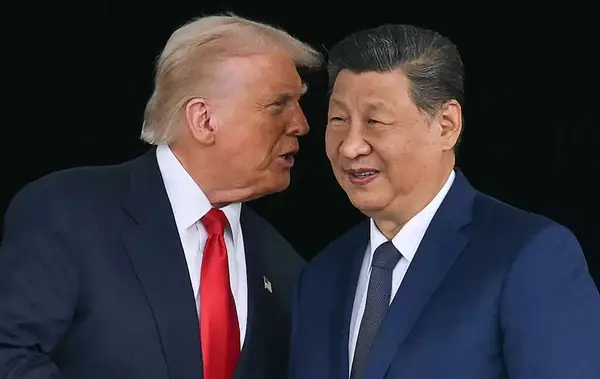
When the white house runs out of ideas
Trump entered office with a massive list of goals. He wanted to settle wars. He wanted to fix supply chains. He wanted to launch big tariffs. None of it went to plan. The world is more chaotic than before. China sees this. Xi Jinping knows exactly how much room he has to move.
He isn't shaking in his boots. Instead, he's waiting to see what Trump offers. The US needs a win. The administration is struggling to find a path that doesn't involve losing more ground. That's where the tech giants come in. They are the only ones with real bargaining power left.
This isn't just about trade deals. It's about who controls the next wave of tech. AI is the new battlefield. Both sides need access to chips and rare materials. It's a tense standoff. Now, they're forcing these CEOs to sit at the table.
The tech entourage and the trade pivot
Tim Cook is a regular in these circles. Trump calls him "Tim Apple" for a reason. This trip might be Cook's last major swing as CEO. He wants to keep his supply chain safe. He's playing for long-term stability in a market that loves his phones.
Then there is Elon Musk. His presence tells us a lot. Trump trusts his gut on foreign policy. Musk has his own interests in the region. He needs to keep his factories running. He's there to protect his bottom line, not just the country's interests.
Jensen Huang is the wildcard. He's the CEO of Nvidia. His chips are the gold standard for AI training. The US has blocked sales of top-tier chips to China. Huang wants to change that. He wants to sell his hardware to the highest bidder, regardless of the politics.
Critics are already loud. They say Trump is selling out. They fear he will trade away American security for a quick win. Can Huang convince China to buy more chips? Maybe. But at what cost to US dominance?
It's a fragile balance. If Nvidia sells more, the US lead in AI shrinks. That's a hard pill to swallow for many in Washington. Yet, Trump seems convinced this is the only way forward. He's betting his reputation on these three men.
Xi Jinping has his own agenda. He wants to talk about Taiwan. He wants the US to change its stance. It's a classic power play. He's using the summit to force a shift in language. If he gets his way, the whole region changes overnight.
The hard math of silicon and power
The technical reality is brutal. AI requires massive computing power. Nvidia is the only shop that provides it. China knows this. They are trying to build their own alternatives, but they are behind. They need US chips right now.
This creates a strange dependence. The US needs China's rare-earth metals. China needs US silicon. Neither side can fully cut the other off. It's a game of chicken played with supply chains. The stakes are trillions of dollars.
Trump's recent social media posts haven't helped. He's acting like he's running a business deal. He wants to open China up. He thinks he can charm his way into a better trade balance. The experts aren't so sure. They see a trap.
What this means for the global map
The future of AI is tied to this trip. If they reach an agreement, it could calm the markets. If they walk away with nothing, the tech sector will feel the heat. We are looking at a potential shift in how global trade works.
Trump is gambling that he can use corporate influence to override geopolitical tension. It's a bold move. It's also a risky one. If he fails to secure a deal, he's left with no other cards to play. The next few days in Beijing will be telling.
We need to watch the fine print. Any deal regarding chips or trade will have long-term effects. We aren't just talking about money. We are talking about who wins the next decade of tech development.
Quick questions answered
- Why is Tim Cook there? He wants to keep Apple's manufacturing and sales stable in China.
- What does Nvidia want? Jensen Huang wants to sell high-end chips to Chinese firms again.
- Is Elon Musk involved in policy? It seems so. Trump clearly values his input on global affairs.
- Why is Taiwan a factor? It's China's main goal. They want the US to change its diplomatic language.
- Will this change anything? It's hard to say. Both sides need each other, but the tension is very high.
My honest take on this
I think this whole trip is a massive gamble. Trump is trying to treat a nation-state like a business partner. That rarely works. He's bringing in CEOs because he doesn't know how to handle the diplomacy himself.
The thing that gets me is the lack of a backup plan. What happens if Xi says no? What if he just takes the chips and keeps building his own military tech? We've seen this movie before. It usually ends with the US losing leverage.
I feel like we are watching a slow-motion car wreck. These CEOs are only looking out for their own companies. They don't care about the long-term strategic position of the US. They just want their quarterly numbers to look good.
Honestly, I don't think this will end well for anyone. It's too much ego in one room. Real diplomacy requires give and take, not just bringing your richest friends to a meeting. We're in for a rough ride.